Commercial Moves in Wembley
Helping Wembley Businesses Move With Less Disruption

If you are planning commercial moves in Wembley, you are probably thinking about more than just boxes and vans. A business relocation affects staff, customers, stock, equipment, deadlines, and day-to-day operations. Whether you run a small office near Wembley Central, a retail unit close to Wembley Park, a clinic, a studio, a warehouse space, or a mixed-use workplace, a well-managed move can make the difference between a smooth transition and a stressful shutdown.
Wembley is a busy part of northwest London, with a strong mix of offices, high-street businesses, hospitality venues, light industrial spaces, and modern apartment developments that often include home offices and shared workspaces. That variety matters because every commercial move is different. A shop fitting move is not the same as relocating computers, archive files, or bulky machinery. Local access, loading restrictions, parking pressure, lift availability, and busy roads can all affect how a move needs to be planned.
That is why local experience is so valuable. A team familiar with Wembley knows how to work around timing issues, building access rules, and the realities of moving in a built-up area. If you need a reliable service that keeps your business moving, Commercial Moves in Wembley should be handled by people who understand the area as well as the demands of business relocation.
What Commercial Moves Usually Involve
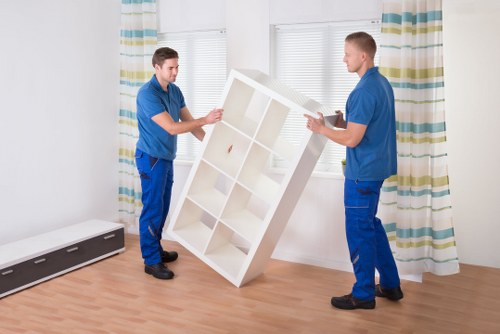
Commercial relocation covers a wide range of services, and the right approach depends on the type of business you run. Some clients only need help transporting desks, chairs, filing cabinets, and IT equipment from one nearby office to another. Others need a more structured move that includes packing, dismantling furniture, managing stock, and coordinating access with landlords or building managers.
In Wembley, that might mean moving from an office suite in a modern block to a larger workspace elsewhere in the borough, or relocating a retail operation to premises with better footfall. It could also involve moving across nearby areas such as Alperton, Stonebridge, Preston, Neasden, Kingsbury, or Sudbury, depending on the size and timing of the business change. A good move plan considers both the journey and the setup at the destination.
Common commercial relocation tasks include office removals, furniture dismantling and reassembly, packing services, equipment protection, document handling, and careful scheduling to reduce downtime. In many cases, businesses also need a clear sequence for prioritising essential items so that the most important functions can resume first. That sort of planning is especially helpful when your team wants to get back up and running quickly.
Why Wembley Businesses Need a Local Moving Team
Wembley is not a simple area to move through at busy times. Main roads can be congested, parking can be limited, and larger vehicles may require thoughtful planning around access points and loading areas. Commercial properties in the area range from older units with narrow entries to contemporary office buildings with managed deliveries and strict booking windows. A local moving team understands these practical realities and can plan accordingly.
Businesses around Wembley Stadium, Wembley Park, and the surrounding commercial districts often work to tight schedules, with customer-facing trading hours, staff handovers, and delivery windows that cannot be ignored. A local crew is better placed to coordinate timing around these realities, helping reduce disruption to employees, visitors, and neighbouring premises. For many customers, that local knowledge is just as important as lifting ability.
Choosing a mover familiar with Wembley also helps when unexpected issues arise. If access changes at short notice, a route becomes slower than expected, or a building manager has specific unloading rules, experience matters. A local company can react more efficiently and keep the move on track without creating unnecessary stress for your team.
Who Our Commercial Moving Service Is For

Commercial moving services are useful for a wide range of customers in Wembley and nearby locations. Some businesses are growing into a new office and need a structured relocation. Others are downsizing, refreshing their premises, or consolidating several work areas into one location. Some organisations simply need help shifting heavy or awkward items safely and efficiently.
Typical customers include:
- Office managers relocating desks, filing systems, and IT equipment
- Retail owners moving stock, shelving, and display units
- Hospitality venues updating equipment or changing premises
- Clinics and professional practices moving confidential records and specialist furnishings
- Landlords and managing agents arranging tenant moves between units
- Start-ups and small teams moving from home-based work to dedicated business space
- Light industrial and trade customers with tools, machinery, or inventory to transfer
No matter the scale, businesses usually want the same things: a move that is organised, careful, and completed with minimal interruption. If that sounds like your priority, then commercial moves in Wembley should be planned around your operating hours, access needs, and business continuity requirements.
What Is Included in a Commercial Move

The exact service depends on your needs, but a professional commercial relocation often includes much more than transport alone. A well-structured service usually begins with a discussion about the current premises, the new location, and the items involved. From there, the moving plan can be shaped around timing, access, and any special handling requirements.
Common inclusions may involve:
- Pre-move planning and move-day scheduling
- Packing of office, retail, or stock items
- Supply of suitable packing materials where requested
- Furniture dismantling and reassembly
- Safe handling of computers, monitors, printers, and specialist equipment
- Loading, transport, and unloading at the destination
- Placement of items in nominated rooms or work areas
- Careful handling of fragile, bulky, or awkward items
Some businesses also need help with archive boxes, confidential records, or seasonal stock. Others want a move that takes place outside trading hours or across a phased timeline. The best approach is the one that keeps the business working while the relocation happens.
Professional commercial removals are not just about moving things from A to B; they are about reducing operational disruption and helping your team settle in quickly at the new site.
How the Moving Process Works
For local businesses, clarity is everything. When you know how the process works, it becomes easier to plan staffing, notify suppliers, and prepare the new premises. A typical commercial move often follows a straightforward sequence, even when the relocation itself is complex.
First, the move is assessed. This may include checking the volume of items, the type of furniture or equipment involved, and any access issues at both properties. In Wembley, access can vary significantly from one building to the next, so understanding lift use, stairs, loading zones, and parking arrangements is essential. This is also the stage where timings can be discussed, especially if you need a move to happen in stages or outside standard business hours.
Next comes preparation. That might mean labelling workstations, separating essential items, packing non-essential equipment, and arranging disassembly for desks or boardroom tables. On the day itself, items are protected, loaded in an organised way, and transported to the new premises. At the destination, items are unloaded and positioned according to the agreed layout, which helps your staff resume work faster.
Preparing Your Business for Moving Day

A little preparation goes a long way. The more organised your business is before moving day, the smoother the process will be. This is especially true for office removals and retail relocations, where deadlines and opening times can be tight.
Use this simple preparation checklist:
- Confirm the moving date and the preferred access times.
- Notify staff about responsibilities and packing deadlines.
- Back up any important digital files before equipment is disconnected.
- Label boxes clearly by department, room, or workstation.
- Separate confidential documents and confirm how they should be handled.
- Inform building management about lift bookings, loading bays, or access permissions.
- Set aside essential items that must be unpacked first at the new location.
- Measure large furniture or equipment if it needs to fit through tight entrances.
In commercial settings, small details can have a big effect. A missing key, a blocked loading bay, or a poorly labelled box can slow down the entire process. Careful preparation helps your moving team work efficiently and keeps your move on schedule.
If you are relocating from a busy Wembley building, it is also wise to check whether there are time restrictions for deliveries or service lifts. Some properties have strict building rules, and arranging those details early makes the move much easier for everyone involved.
Property Types and Local Conditions in Wembley
One reason businesses look for Wembley commercial movers is the sheer variety of property types in the area. You might be moving from a small office above a shop, a unit in a mixed-use development, a contemporary workspace in Wembley Park, or a trade premises closer to industrial roads. Each setting brings its own access conditions and handling challenges.
Residential and commercial areas often sit close together in Wembley, which means moving teams must work respectfully around neighbours, shared entrances, and parking controls. In some places, larger vehicles may have limited manoeuvring space or require more careful positioning. In newer developments, lifts, concierge desks, and allocated loading windows can be helpful, but they also mean the move needs to be planned properly.
Nearby districts such as Alperton, North Wembley, Sudbury, Neasden, Harrow, and Stonebridge may also be part of a wider business relocation. If your company is moving between local sites, using a team that already understands the route and the surrounding road network can save valuable time. Local familiarity also helps when the move needs to be split over several trips or completed in a specific order.
Why Commercial Moves Need Different Planning Than Home Removals
Business relocations are often more complex than domestic moves because they must protect both property and productivity. A home move usually centres on household belongings, but a commercial relocation may include equipment with deadlines attached to it, customer data, stock turnover, or specialist tools that are needed immediately after the move.
Commercial removals often require a more detailed checklist, better coordination between departments, and a stronger focus on minimising downtime. In many cases, businesses want to keep one part of the operation running while another part is being packed or moved. That may involve moving teams in phases, working after hours, or prioritising core equipment first.
There is also the matter of responsibility. Businesses frequently need to protect client records, expensive computers, presentation materials, or stock that cannot be delayed or damaged. A good move plan treats those items with the right level of care and organises the relocation so that nothing important is overlooked.
Practical benefits of professional planning
- Less downtime for staff and operations
- Better protection for equipment and inventory
- Improved coordination with building access requirements
- Reduced risk of confusion on move day
- Faster setup at the new premises
What Affects the Cost of a Commercial Move?
Customers often want to know what influences the cost of a business relocation. While exact pricing depends on the specific job, several common factors usually play a role. Understanding these helps you plan ahead and compare quotes more confidently.
Pricing factors may include:
- The size of the move and the volume of items involved
- How far the new premises are from the current site
- Whether packing, dismantling, or reassembly is required
- The difficulty of access at either property
- Whether the move needs to happen outside normal hours
- The presence of fragile, heavy, or specialist equipment
- Any parking, loading, or waiting restrictions in Wembley
- Whether the move needs to be phased across several days
It is worth remembering that the cheapest option is not always the best value if it creates delays or risks damage to valuable business items. A clear, properly planned quote helps you understand what is included and what might affect the final cost. If you are comparing services, ask how the move will be organised, what equipment will be used, and how your business downtime will be reduced.
For many local customers, the real value of a commercial moving service is in saving time, avoiding mistakes, and making the transition more predictable. That is especially useful when staff need to return to work quickly and customers expect business as usual.
Why Choose a Local Company for Commercial Moves in Wembley
There are plenty of reasons to choose a local team when relocating your business in Wembley. Local movers often know the area’s traffic patterns, parking limitations, and building types far better than a team arriving from much further away. That knowledge can make the difference between a move that feels controlled and one that feels rushed.
A local company is also easier to work with if your move requires a quick site visit, a flexible time slot, or a short-notice adjustment. Businesses in Wembley often operate in fast-moving environments, so having a nearby team can be a real advantage when plans change. It can also help if your move involves multiple stops, stock transfers, or a move between several commercial locations in the borough.
Local relevance matters because a move is never just about distance. It is about timing, access, coordination, and practical knowledge of the area. A business relocation in Wembley should be handled by movers who understand how to work efficiently in a busy London environment while keeping disruption to a minimum.
Areas Covered Around Wembley
Many businesses looking for commercial relocation support in Wembley also operate in nearby areas, or they are moving between local business districts. A versatile service can often help across a wider north-west London area, including:
- Wembley Park
- Wembley Central
- North Wembley
- Preston
- Alperton
- Stonebridge
- Neasden
- Kingsbury
- Sudbury
- Tokyngton
- Harrow areas bordering Wembley
This local reach is useful for companies that serve customers across several neighbourhoods or that are moving into a more accessible location near major roads and transport links. If your premises are close to busy retail zones, new residential developments, or mixed business estates, a nearby moving team can adapt more easily to the layout and logistics involved.
Common Challenges During a Business Relocation
Even a well-organised move can present challenges, especially when the workplace is busy and the premises are difficult to access. Knowing what can go wrong helps you plan better and avoid unnecessary delays.
Common challenges include:
- Limited parking near the property
- Restricted loading times or delivery windows
- Busy foot traffic around shops and offices
- Narrow stairways or small lifts
- Large furniture that needs dismantling
- Confidential documents requiring careful handling
- Fragile IT equipment and screens
- Unclear room layouts at the destination
These issues are manageable when they are identified in advance. That is why a good commercial moving service focuses on planning as much as lifting. A business that prepares properly can usually complete the relocation more quickly and with fewer surprises.
Helpful tip
Try to create a simple move floorplan for the new premises before moving day. Even a basic layout of desks, storage, and key equipment can speed up unloading and help staff settle in faster.
FAQ: Commercial Moves in Wembley
How far in advance should I book a commercial move?
It is best to arrange your move as early as possible, especially if you need a specific date, after-hours moving, or a relocation during a busy trading period. Early planning gives more flexibility and reduces last-minute pressure.
Can a commercial move be done outside normal working hours?
Yes, many businesses prefer early morning, evening, or weekend moves to limit disruption. Availability depends on the scale of the move and the practical requirements of both sites.
What if my office or shop has limited access?
That is very common in Wembley. A local moving team can plan around stairs, narrow entrances, lifts, and loading restrictions. It helps to share access details before the move so the right equipment and timing can be arranged.
Can you help with packing and dismantling furniture?
Many commercial moving services can assist with packing, dismantling, and reassembly. If you have desks, shelving, or specialist furniture, it is sensible to ask about these services during the quotation stage.
How do I prepare sensitive documents or equipment?
Keep confidential files separate, label them clearly, and make sure your digital files are backed up before moving. For expensive or fragile equipment, ask how it will be protected during loading and transport.
Is it possible to move a business in stages?
Yes. Phased moves are often useful for larger operations or businesses that need to stay partly operational. This can reduce downtime and make the transition more manageable.
Do commercial moves cover nearby areas outside Wembley?
Often, yes. Many relocations involve nearby locations such as Alperton, Stonebridge, Neasden, Kingsbury, Sudbury, and other surrounding parts of northwest London.
How to Get Ready to Request a Quote
When you are ready to request a free quote, the more detail you can provide, the more useful the estimate will be. You do not need to have every last detail worked out, but a clear overview helps the moving team understand your needs and plan accordingly.
Useful details to share include:
- The type of business and premises
- The current and new locations
- The approximate size of the move
- Whether packing or dismantling is needed
- Any large, heavy, or fragile items
- Preferred move dates and time windows
- Access issues, parking notes, or building rules
- Whether the move needs to be completed in stages
Providing this information early helps you receive a more accurate plan and reduces the chance of delays later. It also gives you a better sense of how the move will be carried out and what level of support is available. If you are managing a busy workplace, that clarity is very valuable.
Contact us today if you are planning a business relocation in the local area and want a service shaped around your schedule, property type, and operational needs.
Supporting Local Businesses of All Sizes
Wembley is home to a mix of independent businesses, growing companies, established firms, and organisations serving the wider London area. That variety is part of what makes the local business community so active, and it also means moving requirements are often diverse. A small office may want a straightforward transfer of furniture and documents, while a larger commercial site may need careful coordination across multiple departments.
Whatever the size of the move, the goal is the same: get the business relocated safely, avoid unnecessary delays, and protect the items that keep the operation running. That is why it helps to choose a service that understands commercial moves in Wembley as a practical, local job rather than a generic transport task. The more a mover understands your premises and your timetable, the easier it is to keep the relocation under control.
If your business is planning a change in premises, refurbishing, expanding, or consolidating, now is the right time to start the conversation. A good moving plan can help you protect your schedule, reduce staff stress, and settle into your new space with confidence.
Ready to plan your move?
Book your service now or request a free quote to discuss a commercial relocation that suits your Wembley business.