Wembley Park moves: best streets for easy van access
Posted on 07/05/2026
If you are planning a move in Wembley Park, van access can make the difference between a calm, efficient relocation and a day spent circling the block, waiting for a gap, and carrying boxes farther than you expected. The good news is that Wembley Park has several streets and access patterns that are typically easier to work with than others, especially if you plan the timing and loading point properly. In this guide, we look at Wembley Park moves: best streets for easy van access, how to choose a practical loading spot, and what to do so your move stays safe, legal, and as low-stress as possible.
Whether you are moving from a flat, a family home, or student accommodation, the same basic rule applies: the easier the van can stop, the smoother the whole move tends to be. And yes, that small detail can save a surprising amount of time.
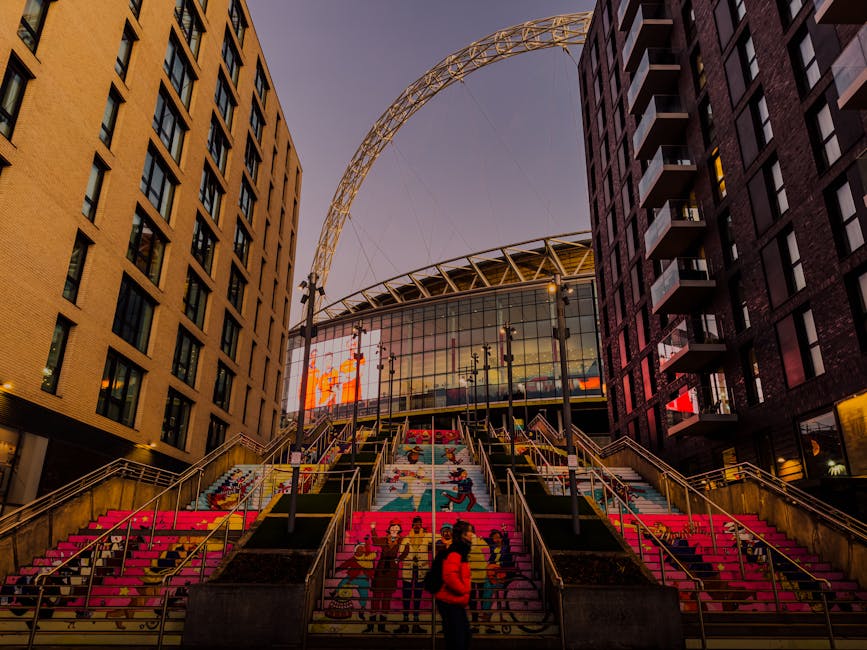
Why Wembley Park moves: best streets for easy van access Matters
In Wembley Park, access is rarely just about distance. A property that looks close to the main road on a map may still be awkward for a removal van because of bus lanes, traffic flow, loading restrictions, narrow side roads, high pedestrian activity, or limited waiting space. That is why choosing the right street or loading point matters so much.
For a typical move, van access affects three things immediately:
- Time on site - the farther the carry, the longer the job takes.
- Safety - more lifting over longer distances means more risk of damage or injury.
- Cost control - access issues can add labour time, parking pressure, and delays.
In practice, the best streets are usually the ones that allow a van to stop close to the entrance without blocking traffic or forcing awkward reversing. If you are moving from a modern apartment block, estate roads near Wembley Park Station, or a residential street with managed parking, access planning becomes even more important. The move often goes best when the van can load from a sensible side street or a designated bay rather than the busiest road outside the building.
This is also why many people pair a local move with advice from a trusted man with a van in Wembley rather than trying to improvise on the day. Local familiarity helps, but a good plan still matters more than guesswork.
How Wembley Park moves: best streets for easy van access Works
The idea is simple: match the property with the easiest legal and practical stopping point. In Wembley Park, that may mean the street immediately outside the building, but often it is a nearby side road, a service entrance, or a short-term loading bay that gives you more breathing room.
When assessing access, think in layers:
- Vehicle fit - can a removal van safely enter, turn, and stop?
- Loading distance - how far is the front door, lift, or stairwell from the van?
- Parking rules - are there restrictions, permits, or time limits?
- Street conditions - width, traffic speed, visibility, and pedestrian flow.
- Building rules - concierge instructions, service lifts, and booked slots.
For many Wembley Park removals, the easiest streets are not necessarily the widest or the quietest. They are the streets where you can stop briefly, avoid obstruction, and keep the walk from van to door short. That distinction matters. A short, lawful stop on a slightly busier road can be far better than a longer, awkward position on a side road that leaves the van half-blocked or too far away.
If you are moving larger furniture, it also helps to plan the load order with access in mind. A sofa, mattress, wardrobe, or piano is much easier to move when the van can park close to the entrance. For larger items, the practical advice in this bed and mattress moving guide and this piano moving article is especially relevant.
Key Benefits and Practical Advantages
Choosing a better access street is one of those small decisions that pays off all day long. The benefits are not abstract; you feel them in the first ten minutes of the move.
- Faster loading and unloading - less walking means more momentum.
- Lower risk of dropped items - especially useful for awkward or fragile furniture.
- Less fatigue - nobody enjoys carrying a chest of drawers twice as far as necessary.
- Better coordination - the team can work in a clean, direct flow.
- Reduced stress - fewer surprises make the day feel manageable.
There is also a subtle benefit that people often overlook: easier access gives you more flexibility with timing. If the route is straightforward, you can respond better to traffic, lift availability, or a slight delay from the old property. That flexibility is especially useful in a busy area like Wembley Park, where shared entrances and apartment loading patterns can create bottlenecks.
For many households, access planning also reduces the temptation to rush. And rushing is where accidents happen. If you want a broader moving-day framework, it is worth reading packing advice for a smoother move and practical ways to keep moving-day calm.
Who This Is For and When It Makes Sense
This approach is useful for almost anyone moving in Wembley Park, but it is especially valuable if one or more of these situations applies:
- You are moving from a high-rise or apartment block with limited frontage.
- You have bulky furniture that cannot be carried far without strain.
- You are relying on a short van window, such as a timed parking arrangement.
- You have children, pets, or neighbours to consider, so speed matters.
- You are moving on a weekday when roads and parking are tighter.
- You have a same-day or last-minute move and need to minimise delays.
It is also a smart approach for students and renters. If you are relocating from a smaller flat, you may not need a huge removal operation, but you still benefit from choosing streets that allow quick, simple access. For that type of move, student removals in Wembley and flat removals in Wembley are often the most relevant service routes.
On the other hand, if you are moving a full household, office contents, or specialist items, access planning becomes part of the overall logistics rather than a nice extra. In those cases, it is sensible to combine route planning with the right support from local removals in Wembley or a broader removal service.
Step-by-Step Guidance
Use this process to narrow down the best street or loading point for a Wembley Park move.
- Check the property layout first. Note where the front door, lift, rear entrance, or service access sits in relation to the road.
- Look for the shortest legal stopping point. A side road, loading bay, or managed bay may be better than the main frontage.
- Read parking signs carefully. Do not rely on memory or assumptions, especially around restricted hours.
- Ask the building management early. Many apartment blocks have preferred loading areas or booking rules.
- Measure awkward items. Oversized furniture changes the access plan fast.
- Plan the carry route indoors. Lifts, stairs, corridors, and doors all affect how useful a street really is.
- Book the van timing around traffic. A short but poorly timed stop can be worse than a slightly longer, calmer one.
- Keep a backup option. In Wembley Park, a second nearby street can be useful if the first choice is occupied.
A good practical habit is to treat the loading point like part of the house. If you would not choose a staircase with no landing, do not choose a street stop with no real room to work. Truth be told, the best access is often the one that looks slightly boring: a sensible bay, a clear kerb, and enough space for two people to move safely.
If you are still organising the rest of the move, it helps to read pre-move decluttering tips and packing tips that keep the process manageable. Less clutter usually means fewer trips and fewer access headaches.
Expert Tips for Better Results
Here are the details experienced movers pay attention to, especially in busy urban areas like Wembley Park.
- Prioritise door-to-van distance over pure street width. A slightly narrow road can still work well if the carry is short.
- Use a spotter when reversing or parking near pedestrians. It is a simple safeguard and often worth the extra minute.
- Load the van in access order. Items that need to come out first should go in last, but only after you have protected fragile pieces properly.
- Reserve time for the unexpected. A blocked bay or a building delay can happen without warning.
- Protect common areas. Lifts, hallways, and shared entrances can be damaged if you move too quickly.
- Keep tools to hand. Trolleys, straps, blankets, and gloves make a visible difference.
If you are moving heavy items, the right lifting method is just as important as the right street. A short carry on a good road is still safer when the team uses proper technique. For that, heavy lifting guidance and safe lifting technique advice can be genuinely useful.
One more practical tip: do a quick verbal walk-through before the first box leaves the property. Ask, "Where exactly is the van stopping?" and "What is our backup if someone is already there?" Those two questions can save you from a lot of guessing.
Common Mistakes to Avoid
Most access problems are avoidable. The mistakes below are common because they seem small at the planning stage and annoying at the moving stage.
- Assuming a road is suitable because it looks close on a map. Maps do not show kerb restrictions, timing windows, or real parking pressure.
- Forgetting building rules. Some properties need lift bookings, security codes, or access permissions.
- Ignoring the return journey. A spot that works for unloading at one address may not be practical for loading at the other.
- Leaving bulky furniture until last. That can force rushed carrying and awkward manoeuvring.
- Blocking traffic or footpaths. Even a short stop should be planned with safety and courtesy in mind.
- Not having a backup street. Wembley Park can be busy, and plan B is not optional if time matters.
A smaller but surprisingly costly mistake is packing before you decide where the van can stop. If you know the access is limited, you may need smaller loads, more careful stacking, or an earlier arrival. That is where a well-structured approach, such as decluttering before moving and cleaning before you move out, helps the entire day work more smoothly.
Tools, Resources and Recommendations
You do not need specialist equipment for every move, but a few practical tools make access issues much easier to manage.
| Tool or resource | Why it helps | Best use case |
|---|---|---|
| Furniture trolley | Reduces strain and speeds up longer carries | Flats, office moves, heavy boxes |
| Protective blankets | Helps prevent knocks and scratches during loading | Sofas, tables, wardrobes |
| Ratchet straps | Keeps the load stable while driving | Mixed household loads |
| Parking permit or confirmation | Helps avoid avoidable access disputes | Controlled parking areas |
| Floor and corner protection | Protects communal areas and property interiors | Apartment blocks and tight corridors |
For larger or more complicated moves, service selection matters too. If your move involves furniture, awkward dimensions, or time pressure, you may want to explore furniture removals in Wembley, house removals in Wembley, or a removal van that matches the size of the job.
If storage is part of the picture, especially between move-out and move-in dates, keep your access plan aligned with the storage schedule. A good local option is storage in Wembley, and for special items you may also find the guide on long-term sofa storage useful.
Law, Compliance, Standards, or Best Practice
For Wembley Park moves, compliance usually comes down to parking rules, road safety, building access policies, and respectful use of shared space. The exact requirements depend on the street, the borough rules, and the property management arrangements, so it is always sensible to verify them in advance rather than assume.
As a general best practice:
- Do not park in a way that blocks emergency access, driveways, or dropped kerbs.
- Respect loading bay time limits and resident-only restrictions.
- Use a spotter when visibility is limited.
- Keep walkways clear for neighbours and pedestrians.
- Confirm lift bookings and building access requirements before move day.
If your move involves narrow roads, controlled zones, or timed loading, a cautious approach is better than improvising. That is not just polite; it is a lot less stressful. For broader confidence around service expectations and peace of mind, you can also review the company's health and safety policy, insurance and safety information, and terms and conditions.
Where parking or access arrangements are uncertain, contacting the property manager, concierge, or local authority guidance source in advance is the safest route. This article is practical guidance, not legal advice, and the details on the ground matter more than broad assumptions.
Options, Methods, or Comparison Table
Not every Wembley Park move needs the same approach. The comparison below shows how different access choices usually play out in real life.
| Access option | Best for | Pros | Trade-offs |
|---|---|---|---|
| Main road frontage | Quick stops and short jobs | Simple to find, often close to the entrance | Can be busy, noisy, or restricted at peak times |
| Side street or residential road | Short carries with less traffic pressure | Often calmer and easier to stage items | May have tighter parking or permit rules |
| Loading bay or service entrance | Apartment blocks and managed buildings | Designed for access, usually efficient | May require pre-booking or strict time slots |
| Distant parking with trolley use | Limited-access streets | Can still work when close parking is unavailable | Slower, more physical, and more planning required |
In many cases, the best answer is not one single street but one preferred option plus one backup. That simple two-choice structure is often enough to keep a move on track when the first stopping point is already occupied.
Case Study or Real-World Example
Here is a realistic example based on the kind of move people commonly face in Wembley Park.
A couple moving from a two-bedroom flat near the station had furniture, several boxes, a bed, and a tall wardrobe. Their first instinct was to ask the van to stop directly outside the building entrance. That looked convenient, but the frontage was busy, the kerb space was tight, and stopping there would have made the loading awkward and rushed.
Instead, they checked the building instructions, identified a nearby side street with a shorter carry, and arranged the van timing for a quieter period. The result was simple: fewer delays, safer lifting, and no need to keep moving the van every few minutes. The wardrobe came out without drama, the corridor stayed protected, and the whole load was finished much faster than expected.
The important lesson is not that one street is magically better than another. It is that the easiest route is usually the one that balances distance, legality, and working space. A slightly less obvious spot can be better if it gives you a clean loading flow. That is the kind of detail local moving experience tends to bring out.
Practical Checklist
Use this checklist the day before your move. It keeps the Wembley Park access plan sharp and avoids the usual last-minute scramble.
- Confirm the property address and entrance used for loading.
- Check parking restrictions and time limits on the chosen street.
- Ask the building manager about lift booking or service access.
- Measure any items that may need extra space.
- Choose one backup street or loading point.
- Prepare blankets, straps, gloves, and a trolley if needed.
- Pack fragile items separately and label them clearly.
- Clear hallways, landings, and the path to the door.
- Keep keys, access codes, and contact numbers close to hand.
- Allow extra time for traffic, parking, and unexpected delays.
If you want to tighten up the rest of the move, it can help to browse stress-reducing moving advice and practical heavy-lifting guidance if you are moving on your own or with limited help.
Conclusion
For Wembley Park moves, easy van access is less about finding the perfect street and more about choosing the most workable stopping point. The right spot will usually be legal, close enough to the entrance, sensible for pedestrians and traffic, and realistic for the size of your move. Once you plan around those basics, the whole day becomes easier to manage.
The smartest moves in Wembley Park are the ones that respect the local layout, the building rules, and the real conditions on the day. A few minutes spent choosing the best access route can save a great deal of strain later. That is especially true if you are moving furniture, working to a timetable, or trying to keep the whole process calm and efficient.
Get a free quote today and see how much you can save.
If you are ready to turn the plan into action, explore man and van support in Wembley, compare removal companies in Wembley, or start with a tailored quote request so you can move forward with confidence.