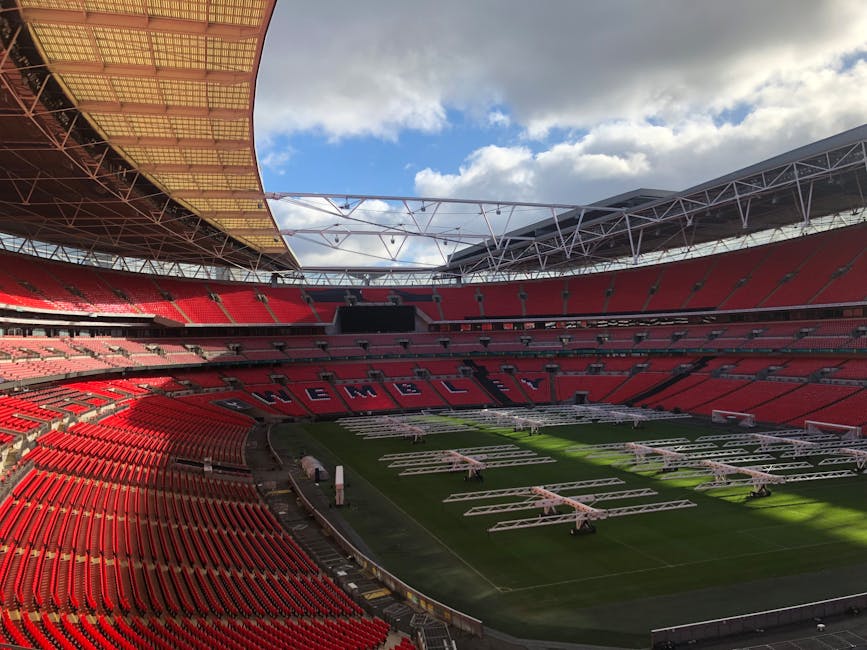
Post-event waste after Wembley Stadium gigs: removal options
Posted on 22/05/2026
After a big gig at Wembley Stadium, the energy spills out long before the crowd does. You see it on the pavements first: cups, food cartons, banners, damp napkins, broken packaging, and the odd forgotten poncho clinging to a fence in the wind. By the time the last fans head for the Tube or the car parks, the clean-up reality has already started. That is where Post-event waste after Wembley Stadium gigs: removal options becomes a practical question, not a theoretical one.
Whether you are an event organiser, a venue contractor, a brand activation team, a trader, or a local business dealing with the aftermath, the challenge is the same: how do you remove waste quickly, safely, and responsibly without creating more disruption? This guide walks through the choices, the process, the risks, and the best way to plan a tidy, efficient post-gig clearance in Wembley. Nothing glamorous. Very necessary.
Why Post-event waste after Wembley Stadium gigs: removal options Matters
Large gigs create a very specific kind of waste problem. It is not just "a lot of rubbish". It is mixed waste, fast-moving waste, and waste that appears in awkward places: under temporary barriers, around loading bays, by food stands, in staff areas, and along the footpaths leading away from the stadium. If the removal plan is weak, the whole site can look tired and messy within minutes.
That matters for several reasons. First, public perception. People remember whether the area felt organised or chaotic. Second, safety. Leftover waste can create slips, trips, blocked access routes, and vehicle hazards. Third, operations. If waste piles up, it slows down dismantling, cleaning, and handover. And fourth, cost. The longer waste sits around, the more labour you often need to deal with it. Simple enough, but easy to underestimate.
In Wembley, timing is especially important. When thousands of people leave at once, access corridors, service roads, and collection windows can all become tight. A clear removal plan helps keep everything moving, which is why a lot of teams look at broader removal services in Wembley rather than trying to improvise after the event has ended.
How Post-event waste after Wembley Stadium gigs: removal options Works
Most post-gig waste removal follows the same broad pattern: separate, gather, transport, sort, and dispose or recycle. The details vary depending on the event size, the type of waste, and how quickly the venue or site needs to be handed back.
In practical terms, the process usually starts with a site sweep. Teams identify where waste has built up, what can be bagged immediately, what needs to be separated, and what requires a safer lift or specialist handling. Think cardboard drink trays, plastic bottles, paper flyers, catering waste, packaging from temporary builds, and occasionally heavier items like damaged furniture, signage, or equipment cases.
Then comes loading. This is where things either run smoothly or become one of those "we should have planned that better" moments. Waste may be moved by hand, on sack trucks, in cages, or loaded into a van depending on volume and access. For bulkier clearances, a local operator with a suitable vehicle can make a huge difference. A good starting point for that kind of job is often a man with a van in Wembley or a broader removal van hire option when the load is awkward or the schedule is tight.
After collection, the waste is typically taken to an approved transfer, recycling, or disposal point, depending on what it contains. Reusable items may be set aside. Mixed waste is sorted where possible. Heavier or awkward items may need a separate route entirely. The best providers keep this part calm and boring, which is exactly what you want. Boring is good here.
Key Benefits and Practical Advantages
A well-managed post-event waste removal plan does more than make the area look neat. It supports the whole event operation from the moment the headline act finishes.
- Faster site turnaround: The sooner waste is cleared, the sooner crews can dismantle structures, return access routes, and finish handover tasks.
- Better safety: Clear walkways, loading points, and work zones reduce the chance of slips, trips, and minor collisions.
- Less visual clutter: A cleaner site looks more professional and is easier to inspect at the end of the night or early the next morning.
- More recycling potential: When waste is separated correctly, more material can be recovered rather than tipped into mixed general waste.
- Lower stress for staff: People work better when they are not stepping around overflowing bags or trying to guess where to put the next load.
- Stronger local coordination: Local teams understand Wembley traffic patterns, access pinch points, and the practical pressure that comes after a big show.
There is also a quieter benefit that people often miss: better morale. A tidy end-of-event environment feels less like a slog. It gives crew members a clear finish line. That sounds small, but after a long day, it really is not.
Who This Is For and When It Makes Sense
This topic is not just for huge concert promoters, though they are obviously the most visible example. A lot of people around Wembley need some version of post-event clearance.
- Event organisers managing large or medium-sized gigs, fan zones, or branded activations.
- Venue support teams responsible for keeping public and back-of-house areas clear.
- Catering and merchandising contractors dealing with packaging, disposables, and palletised stock.
- Production crews removing temporary set pieces, cases, and protective materials.
- Local businesses affected by the build-up and clear-up around the stadium.
- Charities or community groups operating stalls or outreach points at event-adjacent locations.
It makes sense to line up a dedicated removal option when the waste is too much for standard bin collections, when the turnaround time is short, or when items are bulky and need careful handling. If your team is already managing a busy event schedule, it may be worth looking at wider support such as removal companies in Wembley or a flexible same-day removals service for urgent clean-downs.
To be fair, not every situation needs a full-scale operation. A smaller hospitality pop-up after a concert might only need a few well-planned collections. But once access is limited, or the load becomes mixed and awkward, the benefits of using a proper removal team go up fast.
Step-by-Step Guidance
If you are planning post-gig waste removal around Wembley, a simple, structured workflow makes the biggest difference. Here is a practical approach that keeps the job under control.
- Map the waste zones. Identify where waste will build up: seating areas, concourses, catering points, entrances, staff routes, temporary storage areas, and vehicle access points.
- Decide what is being removed. Separate regular litter, recyclable materials, food waste, and bulky items. This saves time later and helps with better sorting.
- Assign collection points. Don't let bags and containers drift into random corners. Choose clear staging areas that are accessible, visible, and safe.
- Use the right containers. Bin sacks, cages, stillages, and bins all suit different waste types. If you mix everything together, you usually pay for it one way or another.
- Schedule the removal window. In Wembley, timing is everything. Collections may need to happen during a narrow window once crowd movement eases and vehicle access opens.
- Load efficiently. Heavier items should go first, and fragile or messy waste should be contained carefully to stop leaks, spills, or breakages.
- Confirm the end destination. Waste should be taken to the correct recycling, transfer, or disposal route. Keep records where required by your contract or internal process.
- Do a final sweep. The last 10% often takes a lot longer than people expect. Check behind barriers, around service doors, and under temporary structures.
A small real-world observation: the clean-up that looks "finished" at first glance is often the one that gets challenged later. Someone always spots a forgotten pile of cups under a scaffold board. Always.
Expert Tips for Better Results
There are a few habits that consistently make post-event waste removal smoother, especially after a stadium gig where timing and access are both under pressure.
Separate at source where possible. If cans, bottles, cardboard, and general waste are mixed from the beginning, the clean-up becomes slower and more expensive. Clear labelling and simple colour coding help staff make better decisions without slowing down.
Keep one person responsible for the handover. Too many handoffs create confusion. A single point of contact can confirm where the waste is, what has been loaded, and what still needs attention.
Plan for the awkward items. Bulky signage, damaged seating, broken merchandising fixtures, and catering equipment often cause delays because nobody wants to deal with them until the last minute. Make them part of the plan early.
Use the right lifting approach. Post-event clearances involve a lot of repeated movement, and that is where strain happens. If a load is awkward, use enough people, proper handling aids, and a sensible route. There is a useful reminder in this guide on safe solo heavy lifting, although honestly, after a big gig, "solo" is usually the last thing you want to attempt.
Don't ignore the exit route. It is not enough to collect waste. You also need a clean path out. Think about doors, loading bays, ramps, stairs, and crowded side streets. If the route is poor, the whole operation bogs down.
Keep a little flexibility in the schedule. Concert endings shift, crowds linger, and weather changes the pace. A plan with zero slack is a plan that can crack when the first delay arrives.
The best clean-up jobs rarely feel dramatic. They feel calm, controlled, and oddly uneventful. That is the goal.
Common Mistakes to Avoid
Most post-event clearance problems come from simple mistakes rather than major failures. The good news is they are avoidable once you know what to look out for.
- Leaving waste sorting until the end: This creates extra handling and slows everything down.
- Underestimating volume: A few piles can turn into multiple van loads once the site is fully swept.
- Using the wrong vehicle size: Too small and you waste time on repeat trips; too big and you may struggle with access or efficiency.
- Ignoring access restrictions: Stadium-side roads, loading bays, and pedestrian flows can change quickly after an event.
- Forgetting wet or food waste segregation: Mixed damp waste can become messy fast and reduce recycling potential.
- Skipping safety planning: Heavy bags, broken packaging, and tight spaces can cause avoidable injuries if crews are rushed.
One of the sneakiest mistakes is treating clean-up like an afterthought. It is not. It is part of the event. If you build it into your timeline from the start, things tend to behave themselves a lot better.
Tools, Resources and Recommendations
The right tools depend on the size of the gig and the type of waste, but a few basics keep appearing in well-run operations.
- Heavy-duty waste sacks for mixed light waste and bagged litter.
- Recycling bins or cages for separated materials such as bottles and cardboard.
- Sack trucks and dollies to move loads without unnecessary lifting.
- Gloves and basic protective wear for staff handling sharp or dirty materials.
- Labelled collection points so the team knows where each waste type belongs.
- Suitable vans or removal vehicles for bulky or time-sensitive clearances.
For events that leave behind more than just bags of litter, a local team with proper transport can be a safer fit than ad hoc collection. If your post-gig load includes bulky furniture, staging pieces, or temporary fit-out materials, it may help to look at furniture removals in Wembley as part of the overall clearance plan. If you need help with sorting stock, cartons, and protective materials, packing and boxes in Wembley can also be useful before items even leave site.
And if you are coordinating a broader venue or site clear-up, it is worth reviewing a provider's wider services overview so you know what support is available before the pressure hits. Small detail, big difference.
Law, Compliance, Standards, or Best Practice
Post-event waste removal in the UK should be handled with care and in line with normal duty-of-care expectations. In plain English, that means waste should be managed responsibly from the moment it is collected to the moment it is passed on for recycling, recovery, or disposal.
For event teams, the practical best practice is to:
- keep waste streams separated where feasible;
- use licensed and reputable disposal routes;
- avoid fly-tipping risks or informal dumping;
- document collection and handover details where the contract requires it;
- follow site-specific safety instructions for loading and access.
Health and safety matters too. Broken glass, sharp packaging straps, spills, and unstable stacks can create real hazards in busy end-of-event conditions. A sensible operator should already have a clear approach to worker safety, manual handling, and site traffic. If you want reassurance about operational standards, it is worth checking pages such as the company's health and safety policy and insurance and safety information.
From a sustainability point of view, the aim should usually be to reduce mixed waste where possible, recover recyclable materials, and avoid unnecessary trips. The cleanest systems are not always the flashiest. They are the ones that quietly do the basics well, every single time.
Options, Methods, or Comparison Table
There is no single best removal option for every Wembley gig. The right choice depends on waste volume, timing, access, and how much sorting you need. This table gives a simple way to compare the main approaches.
| Removal option | Best for | Advantages | Watch-outs |
|---|---|---|---|
| In-house crew collection | Smaller events or tightly controlled areas | Direct control, flexible timing, familiar team | Can be slow if the crew is already stretched |
| Same-day local removal | Urgent clearances after high-footfall gigs | Fast response, reduced site clutter, practical for short windows | Needs clear access and accurate volume estimates |
| Man and van support | Mixed loads, bulky packaging, small-to-medium clear-outs | Flexible, cost-conscious, suited to awkward items | May need multiple runs if the load is larger than expected |
| Specialist removal team | Bulky, fragile, or high-volume post-event materials | Better handling, safer lifting, more efficient loading | Usually needs more planning and coordination |
| Full-site removal service | Large stadium-adjacent operations and multi-zone clear-ups | End-to-end support, structured process, fewer handovers | Not always necessary for smaller jobs |
If your project is simple, a smaller van-based solution may be enough. If it is messy, bulky, or time-sensitive, the full service route is usually less stressful in practice. Truth be told, the cheapest option on paper is not always the cheapest once delays and repeat runs are added in.
Case Study or Real-World Example
Picture a summer concert night in Wembley. The main audience has left, but the back-of-house area still has a scattered mix of cups, food packaging, cardboard, loose promotional stock, and a few bulky items from temporary hospitality areas. The team wants the space cleared before the next morning's setup begins.
In this kind of scenario, the best approach is usually not to chase everything at once. Instead, the crew sets up three collection zones: general waste, recyclable material, and bulky items. Two people handle the light bagged waste, one person manages the staging area, and the vehicle is positioned where loading can happen without crossing the main pedestrian flow. A local removal team is brought in for the heavier pieces so the staff do not waste energy wrestling awkward objects at the end of a long shift.
The result is simple: fewer last-minute decisions, fewer trips back and forth, and a calmer handover. Nothing fancy. Just a job done properly. In our experience, that is what most event teams actually want after a loud, crowded evening. A clean reset. A bit of breathing room.
If the site also needs longer-term sorting or temporary holding of equipment, it can help to think beyond removal alone and consider storage options in Wembley alongside the clearance plan.
Practical Checklist
Use this checklist before, during, or immediately after the event.
- Confirm the expected waste types and approximate volume.
- Set clear collection points near the waste build-up areas.
- Separate recyclable, general, and bulky waste where possible.
- Check vehicle access, loading bay availability, and route restrictions.
- Assign one person to supervise the handover.
- Have sacks, cages, gloves, and moving aids ready before dismantling starts.
- Keep sharp, wet, or heavy items apart from lighter mixed waste.
- Plan the removal window around crowd dispersal and local traffic.
- Make sure the final sweep includes hidden corners and service areas.
- Record anything unusual, damaged, or left behind for follow-up.
Quick takeaway: the best post-event waste plan is the one that starts early, sorts simply, and moves the load out in one calm flow rather than five rushed ones.
For teams looking to coordinate a smooth end-to-end clearance, it can also help to review how a local operator handles removals in Wembley and whether they offer a service style that suits busy event work. If you are comparing providers, a bit of planning now saves a lot of rework later. And yes, rework is the bit everyone remembers.
Conclusion
Post-event waste after Wembley Stadium gigs is not just about tidying up after a great night out. It is about keeping people safe, protecting schedules, supporting recycling, and handing the site back in a professional state. The right removal option depends on how much waste you have, how quickly it must move, and how complex the access is around the stadium.
For smaller jobs, a flexible local collection may be enough. For bigger, busier, or more awkward clearances, a structured removal team is usually the smarter call. The important thing is to avoid improvising when the crowds have gone and the pressure is already on. A calm plan beats a frantic one every time.
Get a free quote today and see how much you can save.
And if you are dealing with a post-gig clean-up in Wembley right now, keep it simple, keep it safe, and give yourself enough time to do it properly. A tidy finish has a way of making the whole night feel better.