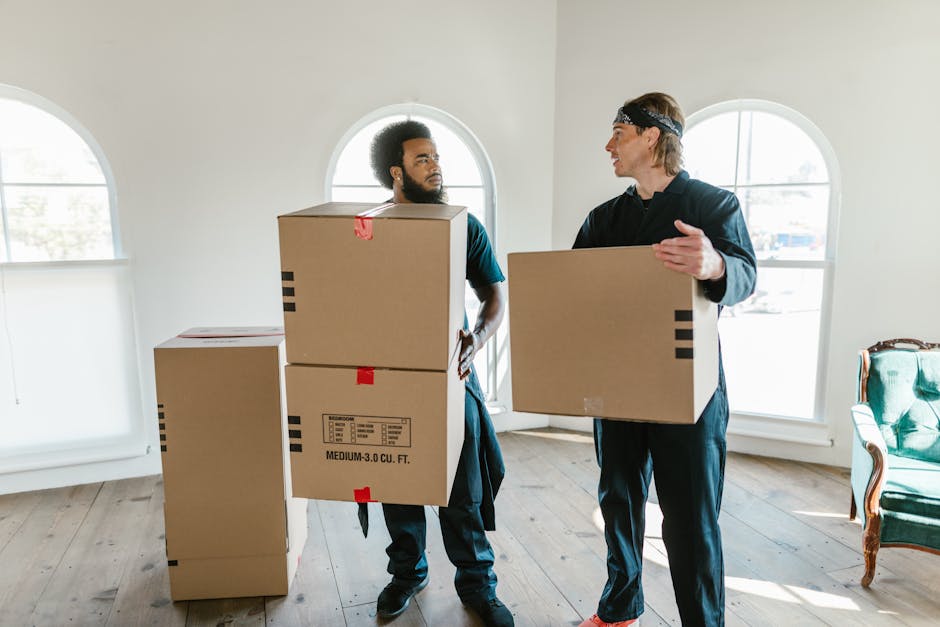
HA0 Alperton removals quick student move essentials
If you are trying to organise a fast student move in HA0 Alperton, the last thing you need is a long, messy, overcomplicated plan. You need the essentials, and you need them in the right order. That is really what HA0 Alperton removals quick student move essentials is about: keeping the move light, organised, and realistic when time is short and budgets are even tighter.
Maybe you are moving out of halls, heading into a shared flat, or making a short hop across Wembley and the surrounding streets. In that kind of move, the winning formula is simple: reduce the number of items, pack smart, label properly, and choose the right transport option for the space you have. Truth be told, a student move can unravel fast if you treat it like a full house relocation. This guide walks you through what matters, what does not, and how to get the job done without the usual moving-day scramble.
Along the way, we will cover the practical steps, common mistakes, useful tools, and a few local realities that people often overlook. Let's make it manageable.
Table of Contents
- Why HA0 Alperton removals quick student move essentials Matters
- How HA0 Alperton removals quick student move essentials Works
- Key Benefits and Practical Advantages
- Who This Is For and When It Makes Sense
- Step-by-Step Guidance
- Expert Tips for Better Results
- Common Mistakes to Avoid
- Tools, Resources and Recommendations
- Law, Compliance, Standards, or Best Practice
- Options, Methods, or Comparison Table
- Case Study or Real-World Example
- Practical Checklist
- Conclusion
- Frequently Asked Questions
Why HA0 Alperton removals quick student move essentials Matters
A student move is rarely about moving a sofa and a few boxes. It is usually about time pressure, awkward access, limited storage, and a lot of small items that somehow multiply overnight. In HA0 Alperton, where you may be dealing with shared housing, compact flats, busy roads, or tight time windows between term dates, speed and organisation matter more than brute force.
The "quick" part is not just about moving fast. It is about making good decisions quickly. What should be packed first? What can be donated, sold, or recycled? Do you need a van at all, or would a smaller removal service be enough? These are the questions that save time, money, and energy. And let's face it, student budgets do not exactly have room for avoidable chaos.
There is also the stress factor. A well-planned move keeps your attention on the essentials: ID, keys, bedding, chargers, documents, and whatever you need on night one. If those basics are sorted, the rest of the move becomes much less dramatic. Not glamorous, maybe. But calm. And calm is underrated on moving day.
Expert summary: For student moves in HA0 Alperton, the best results usually come from reducing volume first, packing by priority second, and choosing a removal method that suits the property access rather than the dream version of the move.
How HA0 Alperton removals quick student move essentials Works
In practice, a quick student move follows a simple logic. First, you decide what is actually coming with you. Then you group items into a few practical categories. After that, you choose transport and timing that match the size of the load and the access conditions at both ends.
The process works best when you think in terms of "move readiness" rather than packing everything the night before. For example, one student might only need a couple of suitcases, a desk chair, kitchen basics, and a bed setup. Another may have textbooks, sports gear, a monitor, and a few awkward storage crates. Same postcode, very different move.
In HA0 Alperton, a quick move often benefits from a compact van-based service rather than a large vehicle. That is not always true, of course. But if you are dealing with a small load and need flexible timing, a lighter setup can be a practical fit. If the job also involves stairs, narrow corridors, or limited parking, that becomes even more relevant. You want the move to flow, not stall at the front door.
Think of it like this: the fewer times an item is handled, the better. Each extra lift is a chance for delay, damage, or just plain frustration. Students usually do not need a complicated logistics plan. They need a clean, simple transfer from A to B, with the right essentials at hand when they arrive.
Key Benefits and Practical Advantages
The biggest advantage of a focused student move is how much mental space it gives you back. When the essentials are clear, the move stops feeling like a mountain and starts feeling like a series of small, manageable jobs.
Here are the benefits people usually notice first:
- Less packing stress: You are not trying to move unnecessary clutter.
- Faster loading and unloading: Small, sorted loads move far more efficiently.
- Lower risk of damage: Fewer overloaded boxes and fewer rushed decisions.
- Better cost control: You are not paying for wasted space or extra handling.
- Cleaner arrival: You only unpack what you genuinely need.
- More flexibility: Easier to fit around class times, tenancy handovers, and travel plans.
There is also a quiet benefit that people forget: confidence. When you know your bed linen, laptop charger, documents, and kitchen basics are together, you arrive feeling prepared rather than scrambled. A move can still be tiring. Of course it can. But it does not have to feel like a disaster in slow motion.
For students who are moving between short-term lets, house shares, or university accommodation, that practical simplicity can be the difference between an evening spent unpacking and an evening spent hunting for toothpaste. Small win, but a real one.
Who This Is For and When It Makes Sense
This approach is especially useful if you are:
- moving into or out of student halls
- relocating to a shared flat in HA0 Alperton or nearby
- moving with only a few boxes and lightweight furniture
- working around a tight handover window
- trying to keep costs down
- balancing the move with exams, work, or travel
It also makes sense if you have a lot of small personal items but not many large ones. That combination can be deceptively awkward. You look at the room and think, "Not much here." Then the packing starts and suddenly there are cables, shoes, books, toiletries, chargers, and kitchen bits everywhere. Honestly, the small stuff is usually what slows people down.
This type of move is not ideal for every situation. If you are relocating a full family home, a large furniture load, or specialist items that need careful handling, you may need a more structured service. But for student-scale moves, quick essentials planning is often the smartest route.
It is also a good fit when timing is tight. Maybe you have a tenancy change on Friday and a train home on Saturday morning. Or perhaps the lift is unreliable, the corridor is narrow, and you have exactly one friend with a car. In those moments, the right plan matters more than the perfect one.
Step-by-Step Guidance
1. Start with a ruthless sort
Before you pack anything, sort your belongings into four groups: keep, take, donate/sell, and recycle. Be honest here. Half-used notebooks, duplicate mugs, broken hangers, and old leaflets from first year? They rarely deserve van space.
2. Pack by priority, not by room
For a student move, priority-based packing works better than "everything from the desk goes in one box." Pack the items you will need first into one clearly marked essentials box or bag. That should usually include charger cables, medication if relevant, important papers, toiletries, a change of clothes, keys, and bedding.
3. Protect the awkward items
Monitors, lamps, kitchen glassware, and bike accessories need extra care. Use soft items like towels or hoodies to pad fragile pieces if you are trying to keep packing efficient. It is not a luxury move; it is just sensible. A cracked mug is annoying. A broken screen is a different story.
4. Label everything clearly
Simple labels are best. Write the room or category, then add a note like "open first" or "fragile." If you are sharing transport with someone else, labelling helps prevent the "whose box is this?" moment, which somehow always appears at the worst possible time.
5. Plan the route and access
Check where the van can stop, whether there are stairs, whether the lift works, and how far the walk is from door to vehicle. Access detail sounds boring until you are carrying boxes across a wet pavement while the clock is ticking. That is exactly the sort of thing that turns a quick move into a long one.
6. Keep essentials separate
Use a separate bag, crate, or backpack for the items you cannot afford to lose. Keep it with you rather than loading it away. That one decision saves a surprising amount of stress later on.
7. Do a final sweep before departure
Check drawers, windowsills, under the bed, behind the door, and inside the fridge. Students almost always leave something behind. A sock, a spoon, a charger, a plug adapter. It happens.
Expert Tips for Better Results
If you want a smoother student move, a few small habits make a big difference.
Use the "one-night box" rule. Pack what you need for the first night in a single container. Bedding, washing kit, charger, medication, one plate, one mug, and something to eat. That way you are not digging through ten boxes at 11pm in a half-empty flat.
Keep weight low and balanced. Student boxes often get overfilled with books. Books are sneaky like that. They seem harmless until you pick them up and your wrist sends you a complaint. Split heavy items across multiple smaller boxes.
Take photos of room condition before you leave. This is especially helpful in rented accommodation. A few time-stamped pictures can help you remember how you left the place, which is useful if there are any questions later.
Book timings that respect traffic and access. In a busy part of west London, even a short journey can become slower than expected during peak times. If your schedule allows it, give yourself breathing room. You will notice the difference immediately.
Don't overpack sentimental items into the move day rush. Keep keepsakes separate and safe. There is no prize for loading every childhood photo album into the van at the last minute.
A small but useful habit: set aside a "do not pack" zone near the door. Passport, wallet, keys, laptop, and charger live there until the very end. It sounds simple. It is simple. And simple is good.
Common Mistakes to Avoid
The fastest way to make a small move harder is to treat it casually. A few common errors show up again and again.
- Waiting until the last minute: This usually leads to overpacking and forgotten items.
- Using too many oversized boxes: They become heavy, awkward, and more likely to split.
- Not checking access: A great plan can fall apart if the van cannot get close enough.
- Moving junk instead of essentials: If you do not need it this term, think twice.
- Forgetting to separate valuables: Keep documents, devices, and personal items with you.
- Assuming everything fits in one trip: It might. Or it might not. Best to confirm rather than hope.
One of the bigger mistakes is emotional packing. You start with "just the important things" and end up carrying a drawer full of mystery cables from 2019. We have all seen it. Maybe we have all done it. No judgement, but it does slow things down.
Another issue is underestimating the time needed for the little jobs: unplugging appliances, wrapping fragile bits, checking drawers, and cleaning the space. The move itself may be quick. The prep rarely is. That is the bit people forget, and then wonder why the morning feels chaotic.
Tools, Resources and Recommendations
You do not need fancy equipment for a student move, but a few basic tools make everything easier.
- Strong tape: For sealing boxes properly.
- Permanent marker: For labels that stay readable.
- Reusable bags or tote bags: Great for soft items and smaller belongings.
- Bubble wrap or packing paper: Useful for fragile items, though towels and clothing can work too.
- Storage crates: Handy if you need stackable, reusable containers.
- Furniture blankets: Useful for protecting desks, chairs, and small shelving units.
If you are arranging help, you may also want to compare broader service options such as man and van support, removal services, or more specific home move help depending on what you are actually moving. For small student loads, a lighter setup is often enough, but the right fit depends on access, timing, and how much you are carrying.
If packing feels like the slowest part, a little structure helps. A simple room-by-room sweep, followed by a priority bag and one essentials box, usually beats frantic packing every time. If you need more organised support, some people also look at packing and unpacking services to take some of the pressure off. Not essential for everyone, but definitely useful in a pinch.
And if you are still deciding between options, a quick look at pricing and quotes can help you compare what suits your budget and the size of your move without guesswork.
Law, Compliance, Standards, or Best Practice
For student moves, compliance is usually less about complicated rules and more about sensible best practice. That said, a few things are worth keeping in mind.
If you are moving from rented accommodation, check your tenancy agreement for any move-out requirements such as cleaning, key return timing, or condition expectations. Landlords and managing agents can be particular about this, and it is better to know early than argue later.
Parking and access are another practical issue. In parts of HA0 Alperton and nearby areas, stopping space can be limited, and certain streets may require careful planning. If a vehicle cannot stop safely and legally close to the property, loading slows down fast. Sometimes very fast. It is a small detail with surprisingly large consequences.
Safety matters too. Boxes should not be overloaded, walkways should be kept clear, and fragile items should be protected. If you are lifting awkward items, use proper technique and ask for help where needed. A student move should not leave you limping into term time. That would be a bit of a waste, frankly.
For anyone using a removal business, it is sensible to understand the provider's terms, insurance position, and payment expectations before the move day. Reputable companies are generally clear about what is included and what is not. If something feels vague, ask. Straight answers are part of good service.
Where waste is involved, use proper disposal routes for unwanted items rather than dumping them informally. Reuse, donation, and recycling are often the cleaner options, and they help keep the move tidy. A lighter load is usually cheaper and easier too.
Options, Methods, or Comparison Table
There is more than one way to handle a quick student move. The right method depends on time, budget, access, and how much help you have available.
| Method | Best for | Pros | Watch-outs |
|---|---|---|---|
| DIY car or small hatchback | Very small loads | Cheap, flexible, familiar | Limited space, multiple trips, more lifting |
| Man and van | Student loads, boxes, light furniture | Efficient, practical, usually quick | Needs clear timing and access planning |
| Full removal service | Larger or mixed loads | More support, less lifting for you | May be more than you need for a simple student move |
| Packing help plus transport | Busy schedules or fragile items | Saves time, reduces stress | Extra cost, may be unnecessary for minimal moves |
For most student essentials moves, the middle ground is often the sweet spot. You get enough help to stay efficient, but not so much service that you pay for things you do not need. The trick is matching the method to the reality of the move, not the fantasy version where everything is tidy and nobody loses a charger.
Case Study or Real-World Example
Here is a realistic example. A student living in a small flat near Alperton had one bedroom's worth of belongings: two suitcases, six boxes, a desk lamp, a small chair, bedding, kitchen basics, and a couple of fragile electronics. The move had to happen between a morning checkout and an afternoon key handover.
Instead of packing room by room, they sorted items into three groups: essentials, non-essentials, and disposal. One bag held the first-night items. Fragile items were wrapped in soft clothing and loaded separately. The desk chair and small furniture pieces went in last so they could come out first. Nothing dramatic. Just a tidy plan, really.
The biggest saving came from reducing clutter beforehand. Old notes, duplicate utensils, and a few random storage bits were removed before moving day. That meant fewer boxes, quicker loading, and less time spent in the stairwell. It also meant less unpacking later, which is one of those hidden joys nobody talks about until they are knee-deep in cardboard.
The lesson is straightforward: for a student move, speed does not come from rushing. It comes from pre-deciding what matters.
Practical Checklist
Use this checklist the day before and again on the morning of the move.
- Sort items into keep, donate, recycle, and move.
- Pack the essentials bag separately.
- Label all boxes clearly.
- Keep valuables and documents with you.
- Charge your phone and laptop.
- Take photos of the room before leaving.
- Check access, parking, and lift availability.
- Defrost or empty any small appliances if needed.
- Walk through every cupboard, drawer, and shelf.
- Confirm keys, handover time, and travel plans.
- Have water and a snack ready. Seriously, it helps.
Quick takeaway: A successful student move in HA0 Alperton is rarely about moving everything. It is about moving the right things, in the right order, with the least friction possible.
Conclusion
When you strip it back, HA0 Alperton removals quick student move essentials is really about clarity. Keep the load light, protect the items that matter, and choose a move method that suits the space and the schedule you actually have. That approach saves time, lowers stress, and makes the whole day feel much more under control.
If you are moving soon, start with the essentials bag, sort out the clutter, and plan the route before the boxes stack up. A little organisation now pays off later, especially when you arrive tired and just want the bed made and the kettle on. Simple as that.
Get a free quote today and see how much you can save.
And once the last box is in place, take a breath. You are done. That matters more than people admit.
Frequently Asked Questions
What counts as a student move essentials list?
A student essentials list usually includes bedding, toiletries, chargers, important documents, a few kitchen basics, a change of clothes, and any medication or personal items you need immediately.
How do I make a student move quicker?
Reduce clutter before packing, use one essentials bag, label boxes clearly, and keep your load small. The less you move, the quicker the day tends to run.
Is a man and van suitable for a small student move in HA0 Alperton?
Yes, often it is. For compact loads, a man and van setup can be a practical balance of speed, flexibility, and cost, especially when access is straightforward.
How far in advance should I book a quick student removal?
If your dates are fixed, book as early as you can. For busy move periods, giving yourself extra time is wise. For flexible dates, a short lead time may still work, but availability can be tighter.
What should I pack separately and keep with me?
Keep your passport or ID, wallet, keys, phone charger, laptop, medication, and anything valuable or hard to replace with you rather than loading it into the van.
How many boxes does a typical student move need?
That depends on what you own, but many student moves involve fewer boxes than people expect once clutter is removed. Books and kitchen items usually make up a big share.
What if my new place has stairs or a small entrance?
Tell the mover in advance and plan for slower loading. Narrow entrances, tight corridors, and stairs can change the whole move, so access details matter a lot.
Should I hire packing help for a student move?
Only if time is tight or you have fragile items that need extra care. Many student moves can be handled with good self-packing and a clear essentials plan.
How can I keep costs down on a quick move?
Move fewer items, do your own sorting, avoid last-minute bookings where possible, and choose a service that matches the size of your load instead of overbuying help.
What items are commonly forgotten during student moves?
Chargers, toiletries, spoons, extension leads, bedding, and items hidden in drawers are often left behind. A final sweep of cupboards and under-bed spaces usually helps.
Do I need special packing materials for a student move?
Not always. Strong boxes, tape, and labels are the basics. Bubble wrap is useful for fragile items, but towels, clothing, and blankets can also protect smaller pieces well.
Can I combine recycling or donation with my move?
Yes, and it is usually a good idea. Separating unwanted items before the move reduces load size and makes unpacking easier at the other end.