Bridge Road narrow access: moving strategies for vans
Posted on 14/05/2026
Moving a van through a narrow street can feel simple on paper and a bit tense in real life. Bridge Road narrow access is exactly the kind of moving job where a little planning saves a lot of awkward reversing, blocked doorways, and that one moment where everyone goes quiet while the driver inches forward. If you are handling a house move, a flat shift, or a furniture delivery on a tight London road, the right strategy matters more than brute strength. This guide walks through practical ways to manage Bridge Road narrow access: moving strategies for vans that are safer, calmer, and far more efficient.
Whether you are moving a few heavy items or a whole property, the core challenge is the same: fit the vehicle, protect the load, and keep the operation moving without creating unnecessary risk. Sounds obvious. In practice, it rarely is. So let's break it down properly.
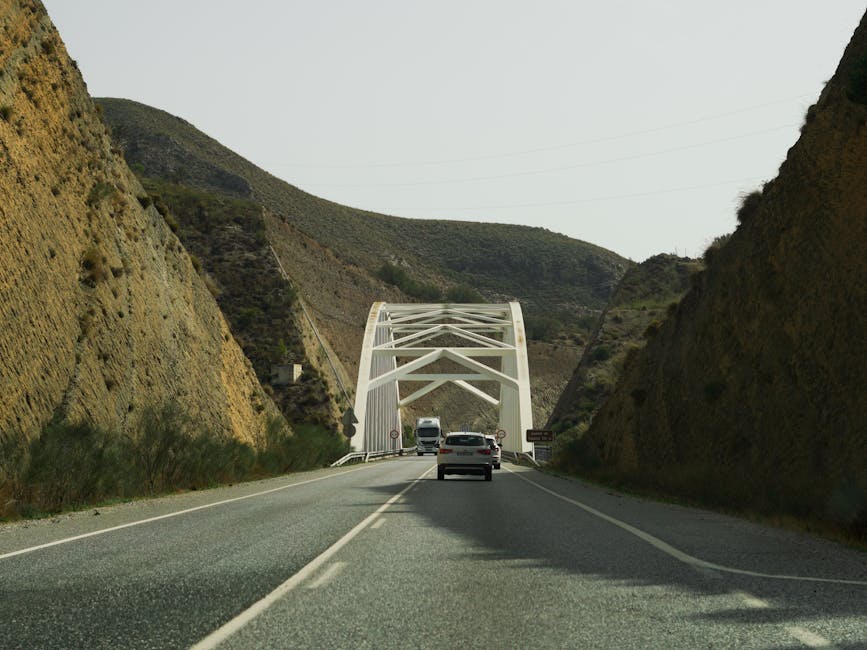
Why Bridge Road narrow access: moving strategies for vans Matters
Narrow access changes the whole shape of a move. A van that is perfectly suitable for a normal residential street can become a problem on a tighter road, especially where parked cars, blind bends, low-hanging branches, or awkward turning points reduce your margin for error. Bridge Road narrow access is not just a driving issue; it affects loading, timing, parking, carrying distances, and even what size of van you should book in the first place.
The biggest mistake people make is treating access as a final detail. It is actually one of the first things to check. If the road is tight, you may need to plan a shuttle system, choose a smaller vehicle, split the load, or arrange a timed arrival to avoid peak traffic. That sounds like extra work, but it often saves time overall. To be fair, it also saves nerves.
There is also a customer-experience angle. If you are moving into a flat, delivering furniture, or helping a student relocate, the last thing anyone wants is a van blocking the lane while the team wonders whether it can turn safely. A smooth narrow-access move feels professional because it is professional. Small adjustments, big difference.
For broader moving preparation, many people also find it useful to read about packing your belongings properly before moving day and decluttering before moving house. Less clutter usually means less handling, fewer trips, and a better fit for the van.
How Bridge Road narrow access: moving strategies for vans Works
At a practical level, managing narrow access is about matching the vehicle and the route to the real-world conditions outside the property. That means checking road width, vehicle length, turning room, nearby parking restrictions, and whether the van can stop close enough to the entrance without creating a hazard.
A good narrow-access plan usually works in stages:
- Pre-visit or remote assessment: Review photos, maps, street view images, and any customer notes.
- Vehicle selection: Choose a van size that fits the road rather than forcing a larger one into it.
- Arrival strategy: Decide exactly where the van will park, stop, or wait.
- Load management: Organise items so the most awkward pieces come out first or are loaded last, depending on the route.
- On-site communication: Keep the driver, movers, and customer aligned as the situation changes.
In many cases, the move becomes a short chain of smaller decisions. Can the van reverse in safely? If not, is there room to turn further down the road? If not, can you use a smaller vehicle or a second hand-carry point? Is there a legal loading bay nearby? These are the questions that keep a narrow street move from turning into a three-point-turn drama at 8:30 in the morning.
For heavier furniture, the access plan and the lifting plan have to work together. A useful companion read is solo heavy lifting success secrets, which covers how to move awkward items with better control, and kinetic lifting techniques for safer manual handling.
Key Benefits and Practical Advantages
The main benefit of planning for narrow access is simple: fewer problems. But there are several more specific advantages worth calling out.
- Reduced risk of vehicle damage: Tight streets and awkward angles are where wing mirrors, wheel arches, and bumpers get clipped.
- Faster loading and unloading: If the van is positioned well, the team can move items with less carrying distance.
- Better safety: Less reversing, fewer rushed decisions, and clearer foot traffic around the property.
- Lower chance of delays: A planned access point prevents the classic "let's just see if it fits" approach.
- Less stress for everyone: Especially if the move involves children, neighbours, or shared entrances.
There is also a financial benefit, though it is usually indirect. A move that runs efficiently is less likely to require extra labour time, repeat trips, or last-minute vehicle swaps. If you are comparing services, it can be worth looking at a proper pricing and quotes breakdown rather than focusing on the headline rate alone. Narrow access can affect the best vehicle choice, and the best quote is the one that reflects the actual job.
Expert summary: On narrow roads, the winning strategy is not "bigger van, faster job." It is "right-sized van, clear access plan, and careful loading." That simple shift prevents most of the avoidable headaches.
Who This Is For and When It Makes Sense
This approach is useful for anyone moving where street width, parking pressure, or turning space is limited. In practice, that includes:
- people moving into or out of terraced homes
- flat movers with shared courtyards or back entrances
- students shifting between rentals with limited road space
- small office relocations on compact commercial streets
- furniture deliveries where access is tight but the item is bulky
It makes particular sense if the property is close to parked cars on both sides, if the road is one-way, or if there is only room for a short stop. Sometimes the issue is not the street itself, but the final stretch to the building entrance. A narrow alley, basement step, or gated courtyard can matter just as much as the main road.
If you are moving from a flat, a dedicated service such as flat removals in Wembley can be a better fit than a generic one-size-fits-all option. Likewise, if the move is time-sensitive, same-day removals may be worth considering, provided the access has been checked carefully first. Same day sounds great. It is great. But only if the route makes sense.
For students, the practical challenges are often different: fewer items, but tighter deadlines and less flexible timing. In that case, student removals in Wembley can help simplify things without overcomplicating the job.
Step-by-Step Guidance
Here is a straightforward process that works well for narrow-access van moves. Not every job needs every step, but most will benefit from at least the first five.
- Measure or estimate the access route. Check the width of the road, the turning area, gate openings, and any tight corners. Even rough measurements are better than guesswork.
- Identify obstacles. Look for parked cars, bins, low branches, speed bumps, CCTV poles, hanging signs, and temporary roadworks.
- Choose the right van size. A smaller van is often easier to position and may actually save time overall.
- Plan where the van will stop. Mark a legal and practical loading point if possible. Think about both the arrival and the exit.
- Pack in loading order. Put the items you need first near the back of the van, and keep fragile or awkward items protected.
- Protect the property. Use door guards, blankets, floor runners, and corner protection where needed.
- Keep a person on the ground if the access is very tight. A spotter can guide the driver and help avoid tight contact with kerbs or mirrors.
- Leave a small margin of safety. If a route looks technically possible but uncomfortably tight, it is worth reconsidering.
One practical point that often gets overlooked: loading order should reflect the access point, not just the van's interior space. If a sofa has to come out first and the van doors are pressed against a wall, you have already made the day harder than necessary. A little planning upfront usually solves that.
And if you are moving bulky items, these guides can help shape the plan: furniture removals in Wembley for larger household pieces, and key steps for a smooth bed and mattress move for items that are deceptively awkward in narrow hallways.
Expert Tips for Better Results
Most narrow-access problems are solved by common sense, but there are a few habits that experienced movers rely on again and again.
1. Use smaller, smarter vehicle planning
A medium van can be more useful than a larger one if the road is tight. Bigger is not always better. In fact, on narrow roads, a van that is easier to manoeuvre often leads to a quicker completion because it reduces the need for repositioning.
2. Treat the first metre as the most important
The area immediately outside the property entrance matters more than people think. If that space is blocked, uneven, or too close to traffic, every trip becomes slower. Clear that point first, and the rest of the move feels lighter.
3. Break the job into zones
Think in terms of house, threshold, van, and destination. This keeps everyone focused. It sounds a bit tidy on paper, but in real life it stops the classic confusion where someone is asking where the box of cables went while a chest of drawers is still half in the hallway.
4. Watch for the "just one more item" problem
On narrow access jobs, adding one extra trip can throw off parking, timing, and neighbour relations. If an item is optional, or if it can wait for a second run, decide that early.
5. Photograph the access in daylight
A quick photo taken before the move can reveal hazards you miss in the moment. Low walls, awkward corners, and entrance widths are easier to judge when you can look back at them calmly with a cup of tea, not while the van is waiting.
For more practical preparation, you may also find turning moving chaos into calmness useful, especially if you are juggling tight access, furniture, and a moving deadline at the same time.

Common Mistakes to Avoid
Narrow-access moves usually go wrong for familiar reasons. The good news is that they are predictable, which means they are preventable.
- Booking the wrong van size: A van that is too large for the road creates avoidable stress.
- Assuming Google Maps is enough: Mapping software helps, but it does not replace local observation.
- Ignoring parking restrictions: Even a short loading stop can become an issue if the area is controlled or heavily used.
- Leaving packing to the last minute: Poorly packed boxes slow down the whole move and make the van harder to load.
- Not checking item dimensions: Large sofas, wardrobes, and mattress frames often become the real access issue.
- Rushing the unloading phase: If the road is narrow, hurrying at the back end can create damage very quickly. And then everyone's mood drops, naturally.
One less obvious mistake is underestimating the impact of cleanup. If you are leaving a property, a tidy exit helps the moving team work more efficiently and makes the handover smoother. A good read for this is easy cleaning techniques before you move out.
Another practical one: don't forget appliance prep. If a fridge or freezer is coming out on move day, it needs time and care. Even if it is not directly about the road, it affects the move plan. This guide on extending freezer life when it is not being used can help with longer-term storage decisions, which is handy if your move includes storage.
Tools, Resources and Recommendations
Good tools do not replace good planning, but they make narrow-access moves much easier. Here are the items and resources that tend to help most.
| Tool or Resource | Why It Helps | Best Use |
|---|---|---|
| Measuring tape | Confirms whether the van and items will fit safely | Pre-move access checks and furniture measurements |
| Furniture blankets | Protects surfaces during tight manoeuvres | Sofas, tables, wardrobes, and corners |
| Straps and tie-downs | Stops loads shifting in transit | When roads are bumpy or braking is frequent |
| Door protectors | Reduces scuffs at tight entry points | Busy hallways, flats, and shared entrances |
| Street-view imagery | Helps identify width limits and turning points | Early access planning |
| Professional removal support | Brings experience with vehicle positioning and manual handling | Awkward, high-value, or time-sensitive moves |
If you need the whole process handled more smoothly, start with a solid overview of the available removal services and then narrow down whether a man with a van in Wembley or a more comprehensive removal team is the better fit for the job. For some moves, especially where access is tight but the volume is modest, a man and van service is the sweet spot.
If your items need to be held temporarily because access or timing is tricky, storage in Wembley can add a useful layer of flexibility. Not glamorous, maybe, but very practical.
Law, Compliance, Standards, or Best Practice
For most domestic moves, the main compliance concerns are practical rather than legal in the dramatic sense. You are usually dealing with parking, road use, safe loading, manual handling, and insurance. Still, these matter a great deal.
In the UK, moving teams should work in line with sensible health and safety practice, especially when heavy lifting, tight spaces, or shared access are involved. That means using proper handling techniques, avoiding unsafe rushing, and checking that items are secure before transit. It also means being careful around public areas so you do not create avoidable obstruction or risk.
Insurance is another key piece. If a van is parked close to a property wall or another vehicle on a narrow road, the margin for error is small. Good operators take this seriously. You may want to review insurance and safety information and the company's health and safety policy before booking, especially for more complex access conditions.
If you want to understand how a provider handles customer information, payments, or complaints, it is also sensible to check the relevant pages, including payment and security and the complaints procedure. These pages are not just formalities; they help you see how professionally the service is run. That matters when you are trusting someone with your move on a tight street.
For values-based decision making, some readers also like to review the company's recycling and sustainability approach and about us page. It gives a fuller picture of the operation behind the van.
Options, Methods, or Comparison Table
There is no single best method for every narrow-access move. The right choice depends on the volume, the item size, and how tight the road really is. Here is a simple comparison.
| Method | Best For | Strengths | Trade-offs |
|---|---|---|---|
| Small van with direct access | Light to medium moves on very tight roads | Easier to park, reverse, and turn | May need more trips |
| Medium van with planned stop point | Most standard home moves with moderate access limits | Balanced capacity and manoeuvrability | Still needs careful positioning |
| Shuttle loading | Roads where the van cannot park right outside | Flexible and often safer | Extra carrying distance |
| Split move across two journeys | Busy streets, bulky furniture, or limited access windows | Reduces pressure on one loading slot | Can take longer overall |
| Specialist removal support | Heavy, fragile, or awkward items | Better handling and reduced risk | Higher service level, so plan ahead |
If the move includes especially valuable or delicate items, specialist help becomes more attractive. For example, piano removals in Wembley are rarely something to improvise on a tight street. The same goes for very large pieces where proper furniture handling is the safer route.
Case Study or Real-World Example
Imagine a second-floor flat on a narrow residential road. There are parked cars on one side, a low brick wall on the other, and only a short stretch where a van can pause without blocking the whole street. On the surface, it looks simple enough. In practice, it is exactly the sort of move that can unravel if the team arrives with the wrong vehicle and no plan.
Here is how a well-run version usually goes. The team checks the access the day before, confirms the tightest point, and selects a van that can position safely without forcing a difficult turn. They arrive at a time when the road is slightly quieter. One person watches the clearance while another handles the lift. The largest item, often a sofa or bed base, comes out first so the hallway does not jam up. Boxes are grouped by room, and the load is built in reverse order so unloading is logical at the other end.
Nothing dramatic happens. Which, frankly, is the whole point.
What makes the difference is not heroics but rhythm: park, lift, carry, check, move on. The team uses blankets on the frames, keeps the door area clear, and resists the urge to rush the final items. The move finishes on time, the neighbours are not annoyed, and nobody has to apologise for a mirror scuff on the wall. That is a win.
This sort of scenario is also why good decluttering and packing habits matter so much. If you want to reduce loading stress before move day, revisit decluttering before moving house and packing with less hassle. The cleaner the load, the better the access work tends to go.
Practical Checklist
Use this checklist before any narrow-access van move. It is simple, but it catches most of the avoidable issues.
- Confirm the street width and the tightest turning point
- Check whether parking is permitted at the property or nearby
- Measure large furniture and awkward items
- Decide which van size fits the route best
- Plan a safe stopping point for loading and unloading
- Prepare blankets, straps, and door protection
- Pack boxes clearly by room and priority
- Identify any items that need specialist handling
- Keep the walkway clear of loose clutter on move day
- Check whether storage or a second trip may be needed
- Share access notes with the mover before arrival
- Review insurance, payment, and service terms in advance
A useful extra step: if the road has very limited room, have one person ready to act as a spotter. Not fancy. Just helpful. A few calm hand signals can prevent a lot of awkward guessing.
Conclusion
Bridge Road narrow access: moving strategies for vans are really about making sensible choices before the engine starts. The best move is rarely the boldest one. It is the one that fits the street, protects the items, respects the neighbours, and keeps the team moving with confidence.
If you take away one thing, let it be this: narrow access is manageable when you treat it as a planning job, not a last-minute surprise. Measure, choose the right van, load with intent, and leave room for the unexpected. That is how you turn a tight street into a workable move.
Get a free quote today and see how much you can save.
And if you are still weighing up the best route for your move, start with the access details. The rest tends to fall into place once that part is clear.