Brent Council bulky waste rules every Wembley mover needs
Posted on 26/06/2026

If you are moving in Wembley, bulky waste has a way of showing up at the worst possible moment. The old sofa that looked "fine for now", the broken bedside cabinet, the mattress you promised yourself you'd deal with later - suddenly they are blocking the hallway on moving day. That is exactly where Brent Council bulky waste rules every Wembley mover needs become useful. Get them wrong and you can end up with delays, extra costs, or a very messy handover. Get them right and the whole move feels calmer, cleaner, and a lot less chaotic. To be fair, that is what most people want: less stress, not another job added to the list.
This guide explains the practical side in plain English: what bulky waste is, how council collection usually works, what to do before you book removals, and how to avoid the common mistakes that trip people up. If you are already decluttering, you may also find it helpful to read how to declutter before moving house and move-out cleaning tips that keep the final day tidy.
Why Brent Council bulky waste rules every Wembley mover needs Matters
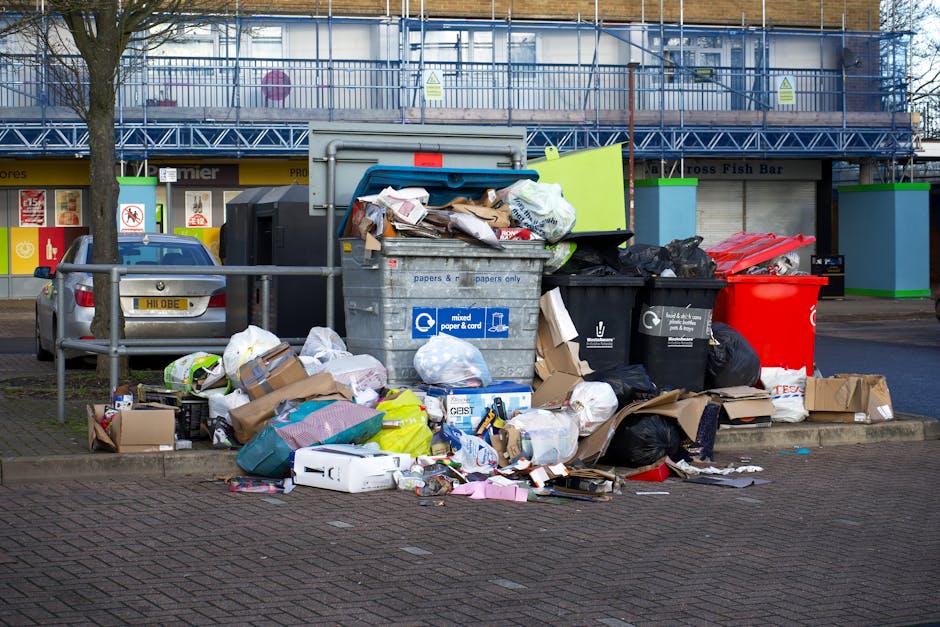
Wembley moves are rarely just about boxes. Flats, lifts, tight access, parking restrictions, shared corridors, and last-minute "we're definitely keeping this" decisions all add pressure. Bulky waste is the unglamorous part that can make or break a move. A mattress left in the wrong place, a sofa dumped by the bin store, or a fridge abandoned in a communal area can trigger complaints, inconvenience neighbours, and create a serious headache on the final inspection.
Bulky waste rules matter because they help you separate three things that people often blur together: what can be reused, what should be recycled, and what must be disposed of properly. That sounds obvious, but on moving day nobody is at their most organised. The kettle has vanished into a box marked "misc", your phone is at 6%, and the van is waiting outside. That is not the best time to improvise.
For Wembley movers, the practical issue is timing. If you are clearing a flat, house, or student room, you often need to move quickly and leave the property in good condition. A well-planned bulky waste clear-out protects your deposit, keeps access routes clear, and reduces the risk of moving unwanted items twice. And yes, moving an unwanted wardrobe from one address to another before disposing of it is one of those human things we all do when we are tired.
There is also a sustainability angle. In many cases, bulky items can be reused, donated, or broken down for recycling rather than simply thrown away. If you care about reducing waste, it is worth understanding the options early. A sensible starting point is the company's own recycling and sustainability approach, especially if you want your move to be cleaner in every sense.
How Brent Council bulky waste rules every Wembley mover needs Works
In practice, bulky waste usually means large household items that are too big for normal bins. Think sofas, armchairs, mattresses, bed frames, wardrobes, tables, large appliances, and similar items. The exact acceptance rules, booking method, and collection conditions can change, so it is always wise to check the current council guidance before you rely on anything. That cautious approach saves a lot of hassle later.
Most council bulky waste systems work along the same lines. You identify the items, arrange a collection, present them correctly, and make sure they are accessible on the agreed day. Straightforward, yes - but the detail matters. If items are left inside the property, block a shared corridor, or are mixed with general rubbish, a collection may not go ahead as expected. And once you are on a moving schedule, one missed collection can throw off the entire day.
For Wembley movers, the most important habit is to sort items early. Decide which furniture is going, which pieces might be passed on, and which items need specialist handling. If an item is awkward, heavy, or valuable, treat it differently from normal junk. A piano, for example, is not "bulky waste" in the casual sense. It needs proper handling, and you are usually better off reading why professional help matters for piano moves before making any assumptions.
There is another practical layer here: access. A bulky item can be easy to remove from a ground-floor home but awkward from a fifth-floor flat with a tiny lift and a narrow landing. If that sounds familiar, you may also want to look at how lift outages affect higher-floor moves and managing communal lifts on estate moves. Sometimes the waste issue is really an access issue in disguise.
Key Benefits and Practical Advantages
Understanding bulky waste rules is not just about compliance. It gives you a much cleaner move, fewer surprises, and a better grip on what is actually leaving the property. Here are the main advantages Wembley movers notice in real life:
- Less last-minute stress because unwanted items are dealt with before moving day.
- Better property handover with fewer disputes about leftover furniture or rubbish.
- Safer moving routes since corridors, stairwells, and entrances are not clogged with broken furniture.
- Cleaner quotes when your removals team knows exactly what needs to be moved, recycled, or disposed of.
- More sustainable disposal when reusable or recyclable items are separated properly.
There is also a quieter benefit: decision-making becomes easier. Once bulky waste is planned, the rest of the move feels more manageable. A sofa leaving, a bed frame going, two broken chairs to be collected - suddenly the "what on earth do we do with this?" pile starts shrinking. And honestly, that pile always looks bigger at 9pm than it did at lunchtime.
If you are moving with a van service, this clarity helps the job run more efficiently too. A team can plan load order, avoid wasting space, and protect floors and walls while carrying items out. For broader move planning, packing efficiently and keeping the day calm and organised are worth a look.
Who This Is For and When It Makes Sense
This topic matters for almost anyone moving in Wembley, but some groups feel the pinch more sharply than others:
- Tenants trying to secure a clean check-out and avoid deposit deductions.
- Home movers clearing old furniture before new items arrive.
- Students leaving furnished rooms or shared houses with leftover items.
- Flat movers dealing with lift constraints, tight stairs, or limited storage space.
- Landlords and letting agents who need properties cleared quickly between occupiers.
- Small offices disposing of old desks, chairs, and broken storage units.
It makes sense any time your unwanted item is too large for normal refuse and too awkward to leave until later. That "later" rarely arrives on time. If you are still deciding what stays and what goes, a practical declutter pass can help. The guide on decluttering before moving house is especially useful if you are short on space or time.
One thing we see often: people think they will sort bulky waste after the main removals. In reality, once beds and wardrobes are blocking access, the easier path is to decide those items first. That is especially true in smaller Wembley flats where every square metre suddenly matters.
Step-by-Step Guidance
If you want the move to go smoothly, tackle bulky waste in a simple order rather than treating it as an afterthought.
- Walk the property room by room. Make a clear list of every large item you no longer want.
- Separate keep, sell, donate, recycle, and dispose. Be honest. If the thing has "I might use this one day" written all over it, you probably know the answer already.
- Check whether the item is reusable. Some furniture is suitable for resale or donation if it is clean and in decent condition.
- Confirm the bulky waste route. Decide whether council collection, private disposal, or a mixed solution makes most sense for your timeline.
- Measure access points. Doorways, stairwells, lifts, and parking space all affect how items can be removed.
- Disassemble where sensible. Flat-pack furniture, bed frames, and some wardrobes are easier to handle in parts.
- Book your removal timing carefully. Ideally, bulky items should leave before or alongside the main move, not after.
- Keep proof of arrangements. Save confirmations, notes, and dates so there is no confusion later.
A good practical rule is this: if an item is large enough to need two people, don't leave it for the last hour unless you really enjoy pressure. Few people do.
For awkward household items like beds, mattresses, or other large furniture, it helps to use specialist guidance. You may find bed and mattress moving advice and sofa storage and preservation tips handy when deciding whether to move, store, or discard.
Expert Tips for Better Results
These are the small things that make a big difference:
- Photograph bulky items before removal. This helps if you are checking condition for donation, resale, or handover evidence.
- Keep fixings in labelled bags. If you are dismantling furniture, tape screws and fittings to the correct piece.
- Clear paths before the collection day. It sounds obvious, but hallways fill up quickly during a move.
- Think in load order. Put the largest and heaviest items in the plan first, not last.
- Use the right lifting technique. Bad lifting is how moving day turns into Monday with extra pain. If you need a refresher, these solo lifting tips and kinetic lifting guidance are well worth your time.
One practical insight: bulky waste becomes much easier when you stop thinking of it as "rubbish" and start treating it as a logistics task. That change in mindset sounds small, but it helps. You sort faster, plan better, and make fewer rushed decisions.
If you are moving from a busy block or estate, be a little more cautious with timings. Shared entrances, lift bookings, and neighbours coming and going can all affect how waste is taken out. A quiet early morning slot often works better than a crowded evening, especially if you want the corridor to stay clear and nobody to grumble.
Common Mistakes to Avoid
Bulk waste problems are often self-inflicted, and usually by accident. The most common errors are surprisingly simple:
- Leaving it too late. One of the fastest ways to create moving-day chaos.
- Assuming everything can go out together. Some items need separate handling or different disposal routes.
- Blocking communal areas. This can create complaints and may also delay collection.
- Not checking what is accepted. Rules can differ for mattresses, appliances, and mixed waste.
- Forgetting that movers need space. The removal team still has to get boxes, furniture, and protective equipment through safely.
- Mixing reusable items with dirty waste. Once something is contaminated, its options narrow fast.
A particularly awkward mistake is assuming a removal company will automatically take every unwanted item. Some will help with bulky items, some will not, and some will only take certain things if they have been agreed in advance. If you are comparing services, the pages on service options, furniture removals, and general removal services can help you understand the support available.
And here is the honest bit: if your plan is "we'll just see on the day", that is not really a plan. It is a hope. Sometimes hope works. Usually, not on moving day.
Tools, Resources and Recommendations
You do not need much kit, but the right few tools make bulky waste handling safer and faster:
- Gloves for grip and basic protection.
- Strong tape and bags for screws, leads, and loose fittings.
- Measuring tape to check whether items will fit out of the property in one piece.
- Furniture sliders or blankets for protecting floors during movement.
- A marker pen for labelling items or disassembled parts.
- Bin liners and cleaning supplies for last-minute tidy-up around the disposal area.
Beyond tools, a few planning resources are genuinely helpful. If you are still packing, start with packing without the hassle and pair it with packing and boxes support so the disposal and packing sides stay in step.
If you are storing any items temporarily rather than disposing of them, the right storage arrangement can stop your home from becoming a holding bay. That is where storage options in Wembley can be a practical bridge between move-out and move-in dates.
One more sensible recommendation: check your mover's booking and pricing information early so you know how extra collection time or heavy-item handling may affect the job. The guidance on pricing and quotes is a good place to start, and it pairs nicely with how to spot confusing removal quote extras.
Law, Compliance, Standards, or Best Practice
Bulky waste sits in a space where household practicality and public responsibility meet. In the UK, you are expected to dispose of waste responsibly and avoid fly-tipping or leaving items in places that cause obstruction or nuisance. The exact council process can vary, so the safest approach is to treat current Brent Council guidance as the source of truth for collection rules, accepted items, placement instructions, and any fees.
From a best-practice point of view, three ideas matter most:
- Use the correct disposal route for each item type.
- Do not leave waste where it blocks access or creates hazards for other residents.
- Keep records of collections, bookings, or any disposal arrangements if you may need them for a tenancy or property handover.
If you are moving out of rented accommodation, a tidy and documented disposal plan is simply sensible. It helps show that you took reasonable steps to clear the property properly. That is especially reassuring if you are handing keys back late in the day and the place still has a bit of that moving smell - cardboard, dust, detergent, and a hint of panic. Familiar, really.
For those handling a business move, the standard is the same but the stakes can feel higher. Office furniture and equipment should be dealt with in a structured way, and the page on office removals in Wembley may be useful if your bulky waste is part of a wider relocation.
Options, Methods, or Comparison Table
Most Wembley movers end up choosing one of three routes: council collection, private disposal through a removals team, or reuse/donation where the item is suitable. The right option depends on time, condition, access, and how quickly the property needs to be cleared.
| Option | Best for | Pros | Trade-offs |
|---|---|---|---|
| Council bulky waste collection | Standard household items and planned clear-outs | Structured, familiar, suitable for many domestic items | May need booking, timing may be less flexible |
| Private removal/disposal help | Fast turnarounds, awkward access, mixed move-and-clear jobs | More flexible, easier to bundle with moving day | Usually costs more than council-led disposal |
| Reuse, donation, resale | Clean, working furniture and appliances | Lower waste, better sustainability, possible value recovery | Takes planning and items must be suitable |
In real moving situations, people often use a mix of these. A sofa might be collected, a lamp donated, and a broken chair taken out with the rest of the move. That mixed approach is usually the most practical, especially if you are balancing speed and cleanliness.
Case Study or Real-World Example
Picture a typical Wembley flat move: a one-bedroom place, one lift, two busy adults, and far too many things that have been "fine for ages". The tenants have a worn mattress, an old coffee table, a small wardrobe, and a broken desk chair. The flat is on the third floor, and the corridor is shared. Moving day is booked for a Friday afternoon. Not ideal, but manageable.
They start with the bulky items three days earlier. The mattress is wrapped and moved to one side, the coffee table is dismantled, and the chair is separated into parts. They check which items are suitable for reuse and which are not, then arrange disposal accordingly. Because the items are cleared before the main move, the removal team can work through the rooms without fighting for space.
What changes most is the mood in the flat. The place stops looking like a puzzle and starts looking like an exit. Boxes stack properly. The hallway is usable. The van loading is quicker. And by the time the keys are ready to hand over, there is no desperate last-minute drag of a mattress down the stairs while someone mutters "where did the screws go?".
That is the real value of getting bulky waste right: fewer improvised decisions, fewer wasted steps, and a far calmer final hour.
Practical Checklist
Use this as a simple moving-week checklist for bulky waste:
- List every unwanted large item in the property.
- Sort items into keep, donate, sell, recycle, or dispose.
- Check current Brent Council bulky waste collection guidance.
- Confirm whether any item needs special handling.
- Measure doors, stairs, and lifts before moving anything heavy.
- Book collection or disposal early enough to avoid moving-day overlap.
- Dismantle furniture where it makes removal safer.
- Label parts, fixings, and reusable fittings clearly.
- Keep pathways clear in the home and shared areas.
- Take photos if you need a record for tenancy or property handover.
- Arrange final cleaning once bulky waste is out of the way.
- Double-check that nothing has been left behind in cupboards, lofts, or storage corners.
Quick expert summary: the earlier you sort bulky waste, the easier every other part of the move becomes. It reduces clutter, protects access, and makes your final handover feel controlled rather than rushed.
Get a free quote today and see how much you can save.
Conclusion
Brent Council bulky waste rules every Wembley mover needs are not just admin. They are part of a smoother, safer, more organised move. Once you know what counts as bulky waste, how collections usually work, and when to separate disposal from removals, the whole process feels less overwhelming. That matters in Wembley, where access can be tight and timing tends to matter more than people expect.
Keep the process simple: sort early, measure carefully, decide on reuse where possible, and do not leave large unwanted items until the final hour. A little planning now saves a lot of heavy lifting later. And if the day still feels busy, fair enough - moving always has a way of making the clock sound louder than usual.
Handled properly, bulky waste is not a problem. It is just one more part of moving well. Get it right, and the rest of the day breathes a little easier.