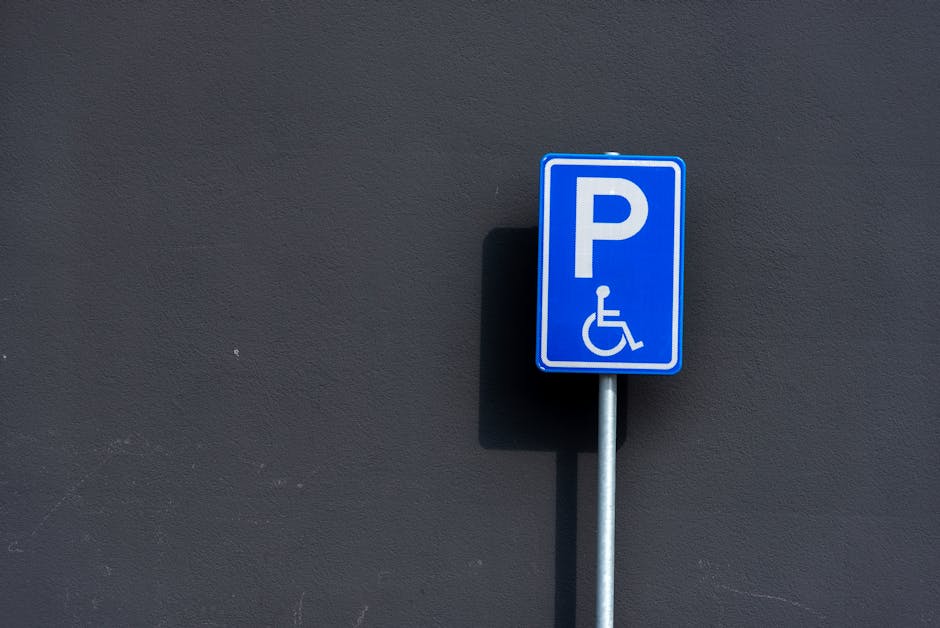
Avoid fines: Brent parking permits for moving vans explained
If you are moving in Wembley or anywhere in Brent, parking can become the part of the day that causes the most stress. The van arrives, boxes are stacked by the door, and then someone notices a yellow line, a permit bay, or a "no waiting" sign that changes everything. That is where Brent parking permits for moving vans matter. They can be the difference between a smooth move and a nasty ticket landing on your mat a few weeks later.
This guide explains the moving-van permit question in plain English: what it means, when you may need one, how to plan around local restrictions, and how to reduce the risk of fines. It is written for real moving day situations, not theory. If you are juggling a flat move, a house move, or a tight access street, a few minutes of planning now can save a lot of money and grief later.
For a broader look at planning a move without last-minute chaos, you may also find turning moving chaos into something manageable and packing without the hassle useful alongside this article.
Table of Contents
- Why Brent parking permits for moving vans matter
- How the permit process works in practice
- Key benefits and practical advantages
- Who needs this and when it makes sense
- Step-by-step guidance for a cleaner move
- Expert tips for better results
- Common mistakes to avoid
- Tools, resources and recommendations
- Law, compliance, standards and best practice
- Options and comparison table
- Case study or real-world example
- Practical checklist
- Conclusion
- Frequently asked questions
Why Brent parking permits for moving vans matter
Moving vans are not like ordinary cars. They are larger, slower to position, and often need to stop directly outside a property for loading or unloading. In built-up parts of Brent, that simple need can clash with restricted bays, resident-only parking, school streets, timed controls, yellow lines, or access limitations around busy roads. If you ignore those rules, a fine can be the easiest outcome. In the worst case, your move gets delayed, the van has to park far away, and everything becomes more expensive and more tiring than it needed to be.
Let's face it, a removal day already comes with enough moving parts. You have lift times, key handovers, fragile items, weather, and that one box you swear was labelled "misc". Parking should not be the thing that breaks the day. A permit or parking plan gives you a defensible position: you have thought ahead, you have reduced risk, and the van can work efficiently instead of playing a game of circles around the block.
There is also a customer-experience angle. If you are using a professional service, good parking access can make the job faster and less stressful for everyone. That matters if you are booking a team for man and van support in Wembley, a flat move, or a full house removal. Parking access can shape how smoothly the whole day runs.
How Brent parking permits for moving vans explained works
The basic idea is straightforward: if a moving van needs to stop in a controlled parking area, you may need permission or special arrangements to do so legally. In some streets that might mean a permit, in others it might mean using a designated bay, a loading area, or parking at a specific time window. The exact arrangement depends on the street, the type of restriction, and how long the van needs to stay.
In practical terms, here is how the process usually unfolds. First, you check the parking restrictions for the collection and delivery addresses. Then you work out whether the van can stop safely and legally without causing an obstruction. If not, you look at options such as a temporary dispensation, visitor-style arrangement, or another local approval route where available. Sometimes you also need to think about whether the road is wide enough for safe loading and whether the van will block access for neighbours, refuse crews, or emergency vehicles. To be fair, those small details matter more than people expect.
A moving van driver will usually care about three things: can the vehicle stop nearby, can loading happen safely, and is there enough time to complete the job without overstaying. If you are moving from a high-rise flat, communal block, or narrow street, those questions become especially important. The local context is often just as important as the paperwork. A van parked half a street away is not ideal; a van parked illegally is worse.
If your move involves limited access or a tight street, it can help to read about narrow access strategies for vans and streets with easier van access in Wembley Park before you finalise your plan.
Key benefits and practical advantages
Getting the parking side right is not just about avoiding a ticket, although that is the obvious win. It also improves the overall rhythm of the move. When a van can park close enough to the property, loading is quicker, carrying distances are shorter, and there is less risk of knocks, drops, and exhausted people making bad decisions near the end of the day.
Here are the main benefits in plain terms:
- Lower risk of fines: The most obvious one. No one enjoys paying for a parking mistake after a move.
- Faster loading and unloading: The closer the van, the fewer steps between door and vehicle.
- Better item safety: Heavy or awkward items travel less distance on pavements and stairs.
- Less disruption to neighbours: A considered parking plan usually creates less friction in shared streets or estates.
- Less pressure on moving day: When the parking question is settled, everyone can focus on the actual move.
There is another benefit that people miss: confidence. When you know the parking plan is sorted, you stop worrying about the van being moved on mid-job or a sudden wardens' visit. That calmer headspace helps more than you might think. A move is physical work, yes, but it is also a coordination problem.
Expert summary: The safest approach is usually simple: confirm the parking restriction, choose the least disruptive lawful stopping place, keep your loading time realistic, and do not assume a moving van gets a free pass just because it is temporary.
Who this is for and when it makes sense
Brent parking permits for moving vans are most relevant if your property sits on a restricted street, in a permit zone, or in an area where stopping options are limited. That includes a lot of London moves, not just central locations. Wembley flats, maisonettes, estate roads, and busier mixed-use streets can all throw up small parking problems that become big on moving day.
You are especially likely to need a permit or formal parking solution if:
- your van will need to wait outside for more than a very short time;
- your street has resident-only bays or timed restrictions;
- you are moving from a flat with limited loading space;
- the property is on a narrow road where double-parking would be unsafe;
- you are coordinating a same-day move and timing is tight;
- you are moving larger furniture, appliances, or specialist items.
If you are a student moving into shared housing, the parking challenge is often underestimated. Students tend to focus on boxes and deadlines, then realise late that the van has nowhere sensible to stop. That is why student removals in Wembley often benefit from planning a parking strategy as early as the packing stage.
It also makes sense for office moves, storage transfers, and furniture-only jobs. In fact, some of the trickiest parking issues come from "small" moves that happen quickly. A sofa, a freezer, a piano, or a few heavy cabinets can still need proper roadside access. For items like that, see also furniture removals support and specialist piano moving help if the item is especially awkward or valuable.
Step-by-step guidance
Here is a sensible way to handle the parking side of a move without turning it into a separate project. Nothing fancy. Just a clean sequence.
- Check the exact addresses first. Do not assume the pickup and drop-off streets have the same rules. They often do not.
- Look at the road layout. Is there a bay, a loading area, a wide kerb, or only yellow lines? A quick visual check matters.
- Estimate loading time honestly. A one-bedroom flat with a lift might take less time than a top-floor walk-up with awkward furniture. Be realistic.
- Decide whether you need special permission. If the van cannot legally stop where it needs to, treat it as a permit question, not a gamble.
- Build buffer time into the booking. A moving day with no slack is where things get messy. Traffic, keys, and lift delays do happen.
- Tell everyone involved. The driver, the movers, and the people handing over keys should all know the plan.
- Keep the van access clear. No mystery bins, no loose bikes, no parked car "just for two minutes".
- Have a backup option. If the ideal spot is taken, know where the next legal stopping point is.
In our experience, the people who do best are the ones who treat parking as part of the moving timeline rather than a side note. A little dull, maybe. But effective. And moving day rewards boring planning more than clever improvisation.
If you want to reduce the amount of stuff going in and out of the van in the first place, a bit of decluttering can make parking easier too. Less volume means fewer trips. Decluttering before moving house is often the unsung hero of a cleaner move.
Expert tips for better results
The little wins matter here. A few thoughtful choices can make parking much easier, especially in Brent where road space can be tight and timings can be awkward.
1) Aim for the shortest safe carry distance
If you can legally park a little closer, even by a few metres, do it. That reduces fatigue, speeds up the move, and makes it less likely that someone will drop a box while hurrying back from the van.
2) Match the van size to the access problem
Sometimes a smaller van is the smarter move. If a big vehicle cannot park sensibly, a more compact setup may actually save time. This is one reason people compare man with a van options and dedicated removal van choices rather than picking blindly.
3) Avoid peak timing where possible
Early mornings can be calmer, but school-run traffic and commuter pressure may make some streets worse. Late afternoons are often messy too. The best window depends on the street, not a generic rule. A small timing change can be surprisingly helpful.
4) Protect the move with good packing
When a van has to park a little further away, carrying becomes more physical. That means packaging matters more. Secure boxes, sensible weights, and clean labels reduce the risk of damage during those extra steps. If you want practical packing help, the guide on packing with less hassle is worth a look.
5) Don't forget what happens after unloading
People usually obsess over the first half of the day and forget the finish. But once the van is unloaded, parking the empty vehicle again can be just as awkward if the area is busy. Keeping the route and exit plan clear helps the whole job flow better.
A small side note: if you are moving from an upper floor and the lift is unreliable, parking becomes even more important because every extra minute outside adds strain to the job. The article on unexpected lift outages in Wembley flats touches on why these jobs need patience and backup thinking. And yes, lifts always seem to fail at the worst possible time. Funny, in a grim sort of way.
Common mistakes to avoid
Parking fines often come from assumptions, not bad intentions. The good news is that most of the common mistakes are easy to prevent once you know what to watch for.
- Assuming the van can stop anywhere for "just five minutes". Five minutes is still parking.
- Forgetting to check both addresses. The start and end of the move can have different rules.
- Not allowing enough loading time. People always underestimate how long stairs and doorways take.
- Ignoring estate or private-road rules. Shared developments can have their own restrictions, and they can be strict.
- Blocking bins, entrances, or crossings. Even if you are not in a marked bay, obstruction can still create a problem.
- Waiting until the day before to think about parking. That one catches people out more than they want to admit.
- Failing to brief the mover or driver. A good team can work around issues, but only if they know about them.
There is also a cost mistake people make: they focus only on the permit or fine risk and ignore hidden move costs. If parking is awkward, the whole job can take longer. That can affect your quote or lead to extra labour time. The article on spotting hidden fees in removal quotes is useful if you are comparing services and want a clearer picture.
And if you are tempted to put off the move by dumping old items outside or treating it like a quick tidy-up, do not. Brent's bulky waste rules are worth understanding because moving day is not the moment to improvise with rubbish bags and broken furniture. The piece on Brent bulky waste rules is a sensible companion read.
Tools, resources and recommendations
You do not need a huge toolkit to get the parking side of a move under control. You mainly need information, timing, and a few sensible habits.
| Tool or approach | What it helps with | Best use case |
|---|---|---|
| Street observation | Checking bays, yellow lines, and access width | Before you book or confirm the van |
| Booking buffer time | Reducing pressure from delays or awkward access | Flat moves, stairs, lift issues |
| Clear labelling | Speeding loading and unloading | Any move with longer carry distances |
| Item prioritisation | Keeping the first load efficient | Moves with limited stopping time |
| Contingency planning | Handling taken bays or short-term obstructions | Busy residential streets |
If you are arranging a move with help from a local team, it is worth reviewing the service details and making sure the business is set up for access-heavy jobs. A good place to start is the services overview, then, if needed, you can compare options such as removals in Wembley, removal services in Wembley, or removal companies in Wembley. That is not about overcomplicating the choice. It is about matching the job to the access conditions.
For households that need somewhere to hold belongings temporarily while access or timings are sorted, storage options in Wembley can also take pressure off the moving day itself. Sometimes the smartest parking plan is to make the load smaller, not to fight the street.
Law, compliance, standards and best practice
It is safest to treat parking and loading rules as local compliance issues rather than casual advice. In London boroughs, street controls, loading restrictions, and permit requirements can change from one road to the next. The exact process may also differ depending on whether you are dealing with a public highway, a controlled bay, or a private estate road. So yes, the details matter.
Best practice is to follow the restrictions that apply to the specific location, make sure the van is not creating an obstruction, and keep parking decisions proportionate to the size and duration of the move. If a permit or dispensation is needed, arrange it before moving day wherever possible. If you are unsure whether a stop is legal, it is wiser to assume it is not until confirmed otherwise. That sounds cautious, but it saves headaches.
Professional movers also have a duty to work safely. That includes sensible parking, keeping routes clear, and avoiding unnecessary risk to themselves, the client, and pedestrians. If you are comparing providers, it is worth checking how they approach health and safety and insurance and safety. A mover who treats access properly is usually a mover who treats your belongings properly too.
There is also a wider environmental and community angle. Good planning reduces idling, repeated trips, and unnecessary street disruption. That ties neatly into recycling and sustainability thinking, which many households now care about even if they do not say it out loud.
Options and comparison table
Different parking approaches suit different moves. There is no single magic solution, and anyone telling you otherwise is probably simplifying things a bit too much.
| Option | Pros | Cons | Best for |
|---|---|---|---|
| Informal roadside stop | Quick and simple if lawful | High risk if restrictions are ignored | Very short, low-restriction stops |
| Permit or local approval | More secure and predictable | May take planning and admin | Restricted streets and longer loading windows |
| Short-distance carrying from a legal bay | Can work where direct stopping is impossible | More physical effort and time | Busy streets with nearby legal parking |
| Smaller van with easier access | Easier to park and manoeuvre | May need more trips | Compact roads or difficult corners |
| Temporary storage plus staged move | Reduces pressure on moving day | Extra planning and possible extra cost | Complex moves, delays, or property handovers |
The right choice depends on the street, the size of the load, and how much time you actually have. For some people, a straightforward permit is ideal. For others, especially in tight Wembley streets or estates, it may be better to split the job or use storage to reduce the rush.
Case study or real-world example
Imagine a typical Wembley flat move on a weekday morning. The property is in a block with limited outside space, the road is narrow, and resident parking controls apply. The moving team arrives, but the nearest obvious stopping point is already occupied. If nobody planned ahead, this is where the day starts to wobble. The driver circles, someone from the flat starts carrying boxes too early, and everyone gets a bit frazzled. Not ideal.
Now compare that with a properly planned move. The parking situation was checked in advance. The team knew which side of the road could be used for short stopping, where the legal bay was, and how long the loading should take. The boxes were grouped by room, the heavier items were ready first, and the most awkward furniture was kept near the exit. The whole job still took effort, because moving is moving, but it stayed controlled. There was no frantic "we just need two more minutes" conversation on the pavement, which is always a good sign.
That is the real point of Brent parking permits for moving vans explained: they are not paperwork for paperwork's sake. They are part of making the move workable. And in streets where space is tight, a workable plan is worth its weight in tape, labels, and tea.
Practical checklist
Use this checklist before moving day. It is simple, but it catches most of the things that matter.
- Confirm the pickup and drop-off addresses.
- Check parking restrictions for both locations.
- Identify the nearest lawful stopping place.
- Decide whether a permit, dispensation, or other approval is needed.
- Allow realistic loading time, not optimistic loading time.
- Tell the mover about stairs, lifts, narrow access, or communal entrances.
- Group fragile and heavy items so the van can be loaded efficiently.
- Keep bins, driveways, and access routes clear.
- Have a backup parking option in case the first choice is taken.
- Keep contact details handy in case the driver needs to coordinate on arrival.
- Do a final quick check for signage before the van stops.
- Stay flexible if traffic, lifts, or weather slow things down.
If you are still preparing the property, a final clean can help more than you think. It gives you a clearer route, reduces clutter near the doorway, and usually makes the move feel less grim. The guide on cleaning before you move out is a handy last-step read.
Conclusion
Parking might seem like a side issue, but in Brent it can shape the entire move. A little planning around van access, permits, stopping rules, and timing can protect you from fines and make the day noticeably less chaotic. That is especially true in Wembley, where restricted streets, shared estates, and busy local roads can turn a simple stop into a complicated one very quickly.
The safest mindset is straightforward: check the rules early, build in time, keep the van close but lawful, and treat parking as part of the move plan rather than an afterthought. Do that, and you give yourself a calmer, cleaner shot at moving day. Not glamorous. Just sensible. And honestly, sensible wins more often than people realise.
Get a free quote today and see how much you can save.
With the right plan, the right timing, and a bit of local know-how, you can make the whole process feel much less like a scramble and much more like a job well handled.
Frequently Asked Questions
Do I need a parking permit for a moving van in Brent?
Sometimes yes, sometimes no. It depends on the street, the type of parking restriction, and how long the van needs to stop. If there are resident bays, loading restrictions, or yellow lines, you should check before moving day rather than assume it is fine.
Can a moving van stop on double yellow lines for loading?
Not automatically. Loading rules can be more nuanced than people think, and the exact allowance depends on the location and signage. If in doubt, treat the stop as restricted unless you have confirmed that loading is permitted.
How far in advance should I sort parking for my move?
As early as possible. Even if you do not need formal permission, checking the street layout and restrictions a few days ahead gives you time to adjust the plan. For busy roads or estate moves, earlier is better.
What happens if the van cannot park outside my property?
You may need to park in the nearest lawful space and carry items a short distance, or adjust the move plan. That is not ideal, but it is better than risking a ticket or obstruction. Smaller vans or split loads can help too.
Are estate roads treated differently from public roads?
Often, yes. Private or estate roads can have separate rules set by the managing agent or landlord. Do not rely on public-road assumptions. It is worth checking the estate requirements first.
Do I need to tell the removal company about parking restrictions?
Absolutely. A good mover can only plan properly if they know what the street is like. Mention narrow access, permit bays, restricted times, gates, or lift delays as early as you can.
Is it cheaper to use a smaller van instead of getting a permit?
Not always, but sometimes. A smaller van may be easier to park and load in a tight street, which can reduce stress and save time. On the other hand, it might mean more trips. The best option depends on the property and the load.
What if I am moving from a flat with a broken lift?
Then parking and timing become even more important because every box takes longer to move. Build in extra time, keep the van as close and lawful as possible, and consider whether some items should be staged or stored elsewhere first.
Can I rely on the driver to handle parking?
The driver will usually handle the vehicle itself, but you should still agree the plan in advance. The best results happen when the customer and mover both understand the street restrictions and the likely loading time.
Do parking fines happen after the move, not during it?
Yes, they can. A ticket may arrive later even if no one mentions it on the day. That is why careful planning matters. The fine does not have to be immediate to be real.
What is the simplest way to reduce parking-related stress on moving day?
Plan the route and stopping point early, keep your load organised, and avoid leaving the van situation to chance. A tidy departure plan usually saves more time than people expect. Honestly, it is one of the least flashy but most useful bits of moving prep.
Where can I get more help with a Brent or Wembley move?
If you want more local moving guidance, the related Wembley guides on access, packing, cleaning, and bulky waste can help you build a better plan. Start with the articles most relevant to your property type and the size of the move.